Insights

Design-Build: A Paradigm Shift in Hospitality

Resorts and hoteliers are seeking ways to control costs and improve delivery time while maintaining their signature design standards.
By Colletta Conner, RID, NCIDQ, Managing Principal, ForrestPerkins
Design-Build: A Paradigm Shift in Hospitality
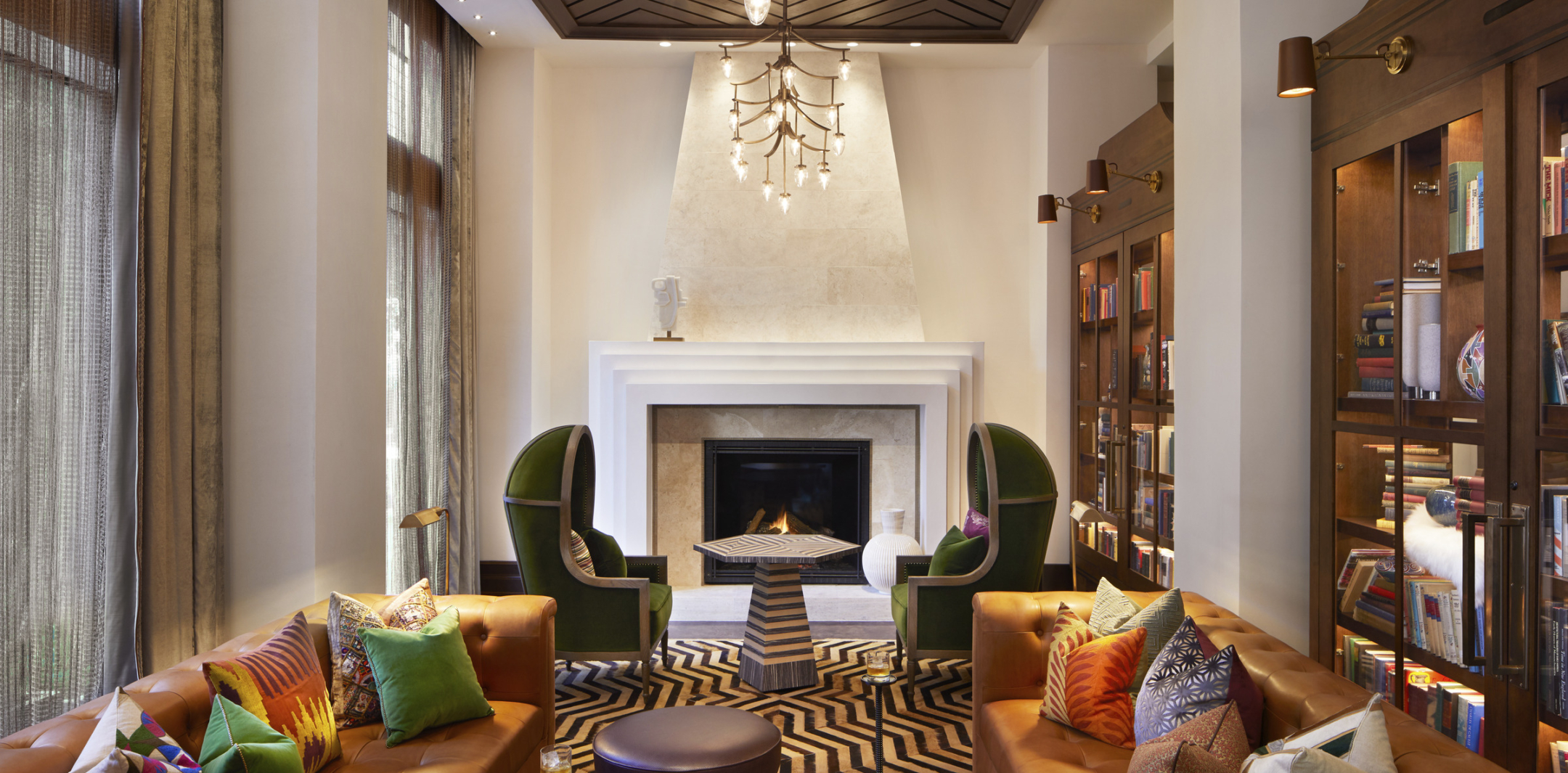
At the Plaza Hotel Pioneer Park in El Paso, TX, the transformation of retail space into a finely crafted lobby—with plaster walls and stained-concrete finishes—adhered to the client’s vision and budget and was the result of a close collaboration between ForrestPerkins and the design-build contractor. Photograph © James Baigrie

Hospitality renovation work has long been realized under a design-bid-build model, but designing first and pricing later can cause projects to falter. For this reason, our industry is increasingly shifting toward a design-build model, which brings designers, engineers, and contractors together under one unified contract, aligning goals from the very beginning. Its success comes from a marriage between the owner’s vision, the design concept, and the financial realities of construction.

According to the Design-Build Institute of America, nearly half of US construction projects today are delivered through design-build, thanks to its efficiency and collaborative approach. This method requires intentional strategies, clear communication, and a commitment to shared goals.

We find that the design-build model creates the strongest partnerships and best owner outcomes for our hospitality projects. When these elements come together, design-build does more than deliver projects. It builds trust, supports innovation, and provides long-term value for all stakeholders.
Building Strong Teams with Trade Partners
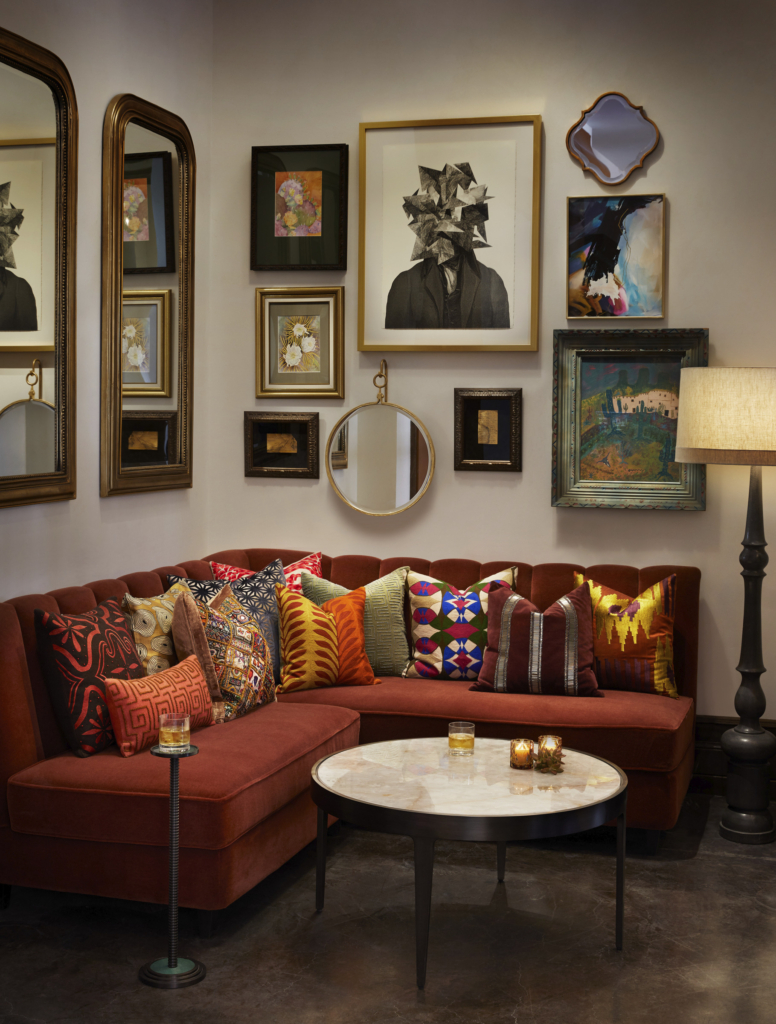
A colorful banquette activates a corner of the lounge in the Plaza Hotel Pioneer Park’s refurbished lobby.

A colorful banquette activates a corner of the lounge in the Plaza Hotel Pioneer Park’s refurbished lobby. Photograph © James Baigrie

In design-build, trade partners are not simply subcontractors—they are integral collaborators. Mechanical, electrical, plumbing, structural, and specialty trades bring real-world construction expertise that validates design decisions and ensures cost efficiency.

While the general contractor provides overall leadership, it’s the trade partners who offer critical insights about constructability, material performance, and installation challenges. When these experts are engaged early, the project team can avoid redesign costs and identify value-engineering opportunities before the project breaks ground.

Our team followed the design-build process for renovations to the historic Plaza Hotel Pioneer Park in El Paso, TX. Designers, architects, and the contractor worked hand in hand to find an economical solution for the transformation of three separate ground-level retail spaces originally designed in the 1930s. This collaboration was critical because the work involved leveling a steep grade, where one end of the building’s ground floor was a level lower than the other—it was the most complicated part of the entire project. Now, the new reception, lobby, and library spaces encourage social gathering, and the hotel’s original, expansive lobby and atrium is a bar and restaurant.

Honoring the Speed-Quality-Cost Triangle

In construction, the classic project management triangle—speed, quality, and cost—remains a universal truth. It is rare, if not impossible, to achieve all three at their highest level simultaneously. Typically, owners must prioritize two, with the third requiring compromise. For example, fast and cheap is often a sacrifice to quality, while high quality at low cost typically demands more time.

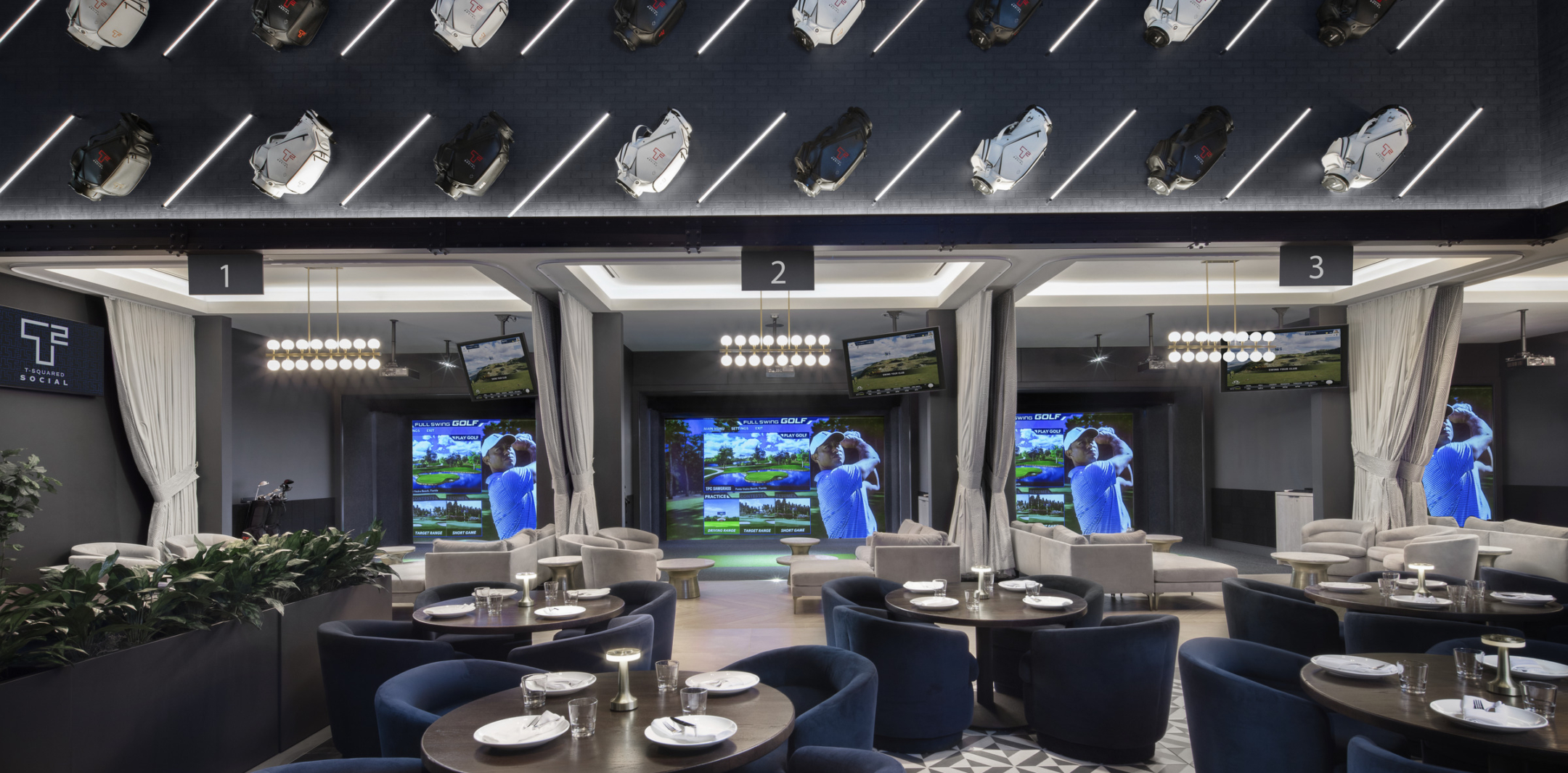
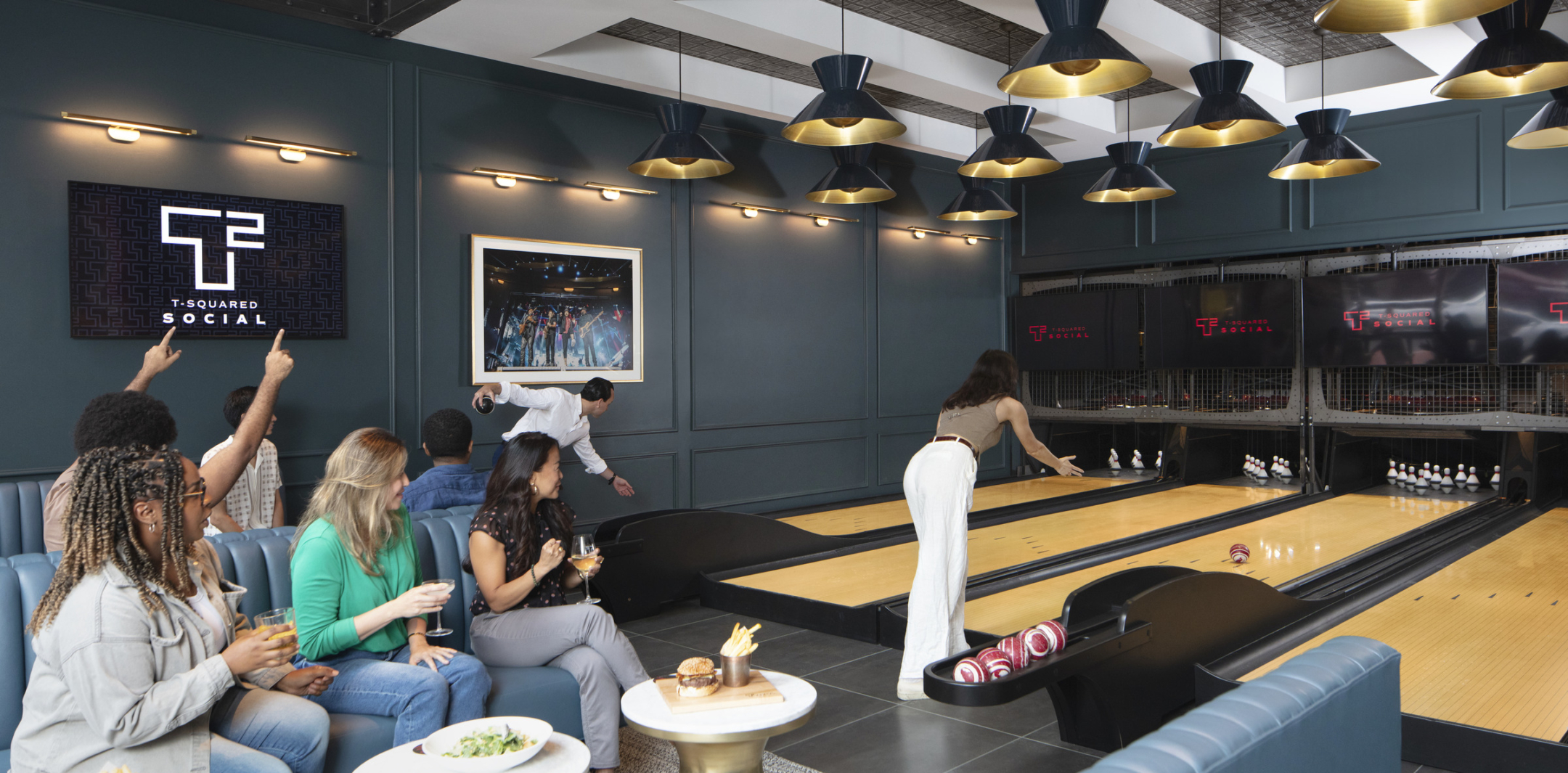
The beauty of design-build is its ability to creatively balance these factors. Through collaborative planning and early problem-solving, our team can uncover efficiencies that bring the project closer to satisfying each one. For example, our work for T-Squared Social, a high-end sports, gaming, and nightlife bar in New York, had a tight schedule for completion. To deliver on time, the project quality and the client’s budget required close collaboration with trade partners, vendors, and suppliers for a successful opening.

Design-Build: A Paradigm Shift in Hospitality 1 Design-Build: A Paradigm Shift in Hospitality 2

T-Squared Social inhabits the former lobby of the 1968 Emigrant Savings Bank, which spans an entire block in the heart of Manhattan. It features golf simulators, duckpin bowling, and darts alongside dining, music, and gaming suites. Photographs © Peter Dressel


Embracing Continuous Improvement and Flexibility

The goal is balance, not perfection: finding ways to maximize value within the realities of the speed-quality-cost triangle. No project goes exactly as planned, but a successful team views challenges as opportunities to refine and improve the process. Flexibility is especially important in maintaining both budget and design integrity. This requires trust, communication, and a shared commitment to the owner’s vision.

By cultivating a culture of continuous improvement, teams deliver stronger projects and set themselves up for more successful collaborations in the future.

Delivering Best Value for the Owner

At the end of the day, owners ask themselves a simple question: “Am I getting more than what I am paying for?” When a design-build project is successful, the answer is a resounding “yes.” That’s because this model offers more than the sum of its parts. When the design and construction teams align with trade partners and other collaborators to agree on design, constructability, and budget from the start, the process that ensues can minimize change orders, redesign costs, and miscommunications. It delivers the best value through enhanced performance, higher quality, and greater long-term efficiency for the investment. By making real-time decisions that meet the established criteria, the design-build team ensures that the owner doesn’t sacrifice performance for price.

Ultimately, value is measured by whether the built environment reflects the owner’s goals, serves its intended users, and stands the test of time.