Insights

Redefining Cancer Care Environments

The best treatment and technology are essential, but honoring the humanity of patients and their caregivers comes first.
By Jeffrey Brand, AIA, Principal, Executive Director, and Healthcare Practice Leader
Redefining Cancer Care Environments 4
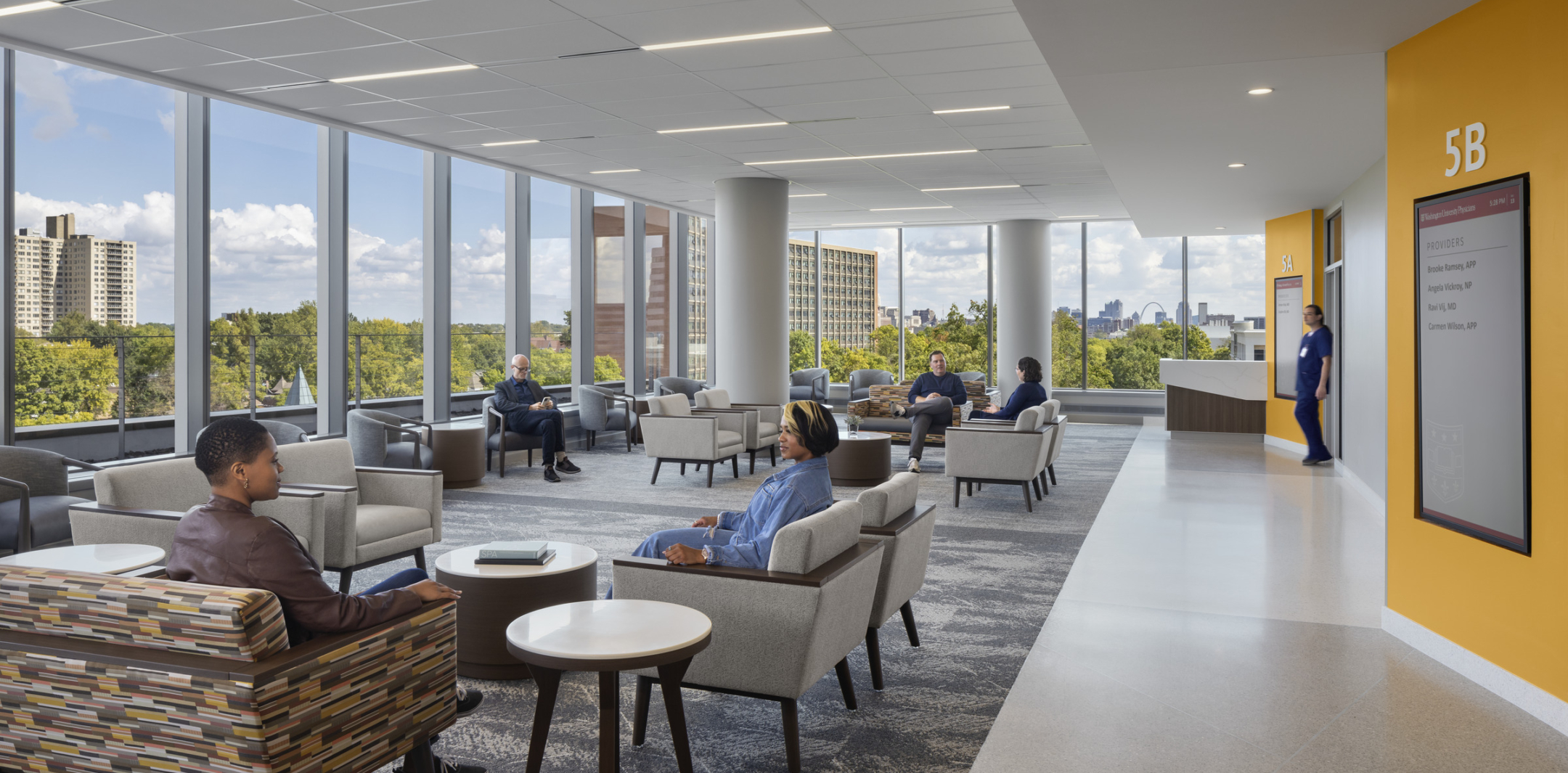
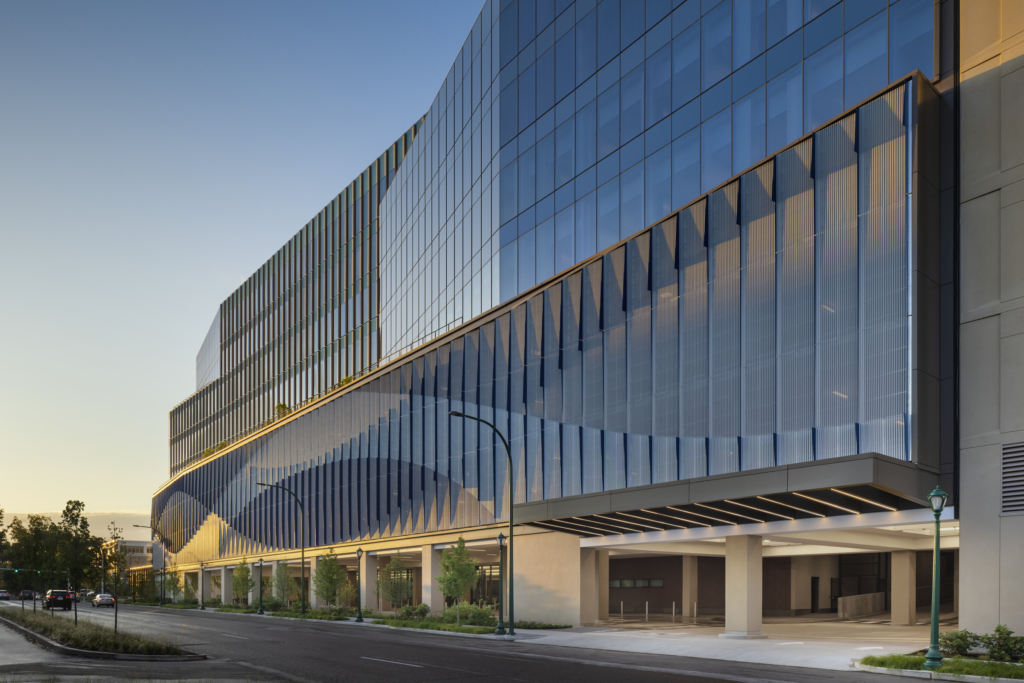
The Gary C. Werths Building, Siteman Cancer Center at Barnes-Jewish Hospital and Washington University School of Medicine, which opened in 2024, has been hailed as a world-class destination for cancer care. Cancer patients, survivors, and their families, along with physicians, nurses, social workers, and staff, consulted in its design, which includes welcoming reception areas filled with light. Except as noted, all photographs by Andrew Rugge © Perkins Eastman

Perkins Eastman is embarking on a new project to plan and design a ground-up comprehensive cancer center in the Northeast. In ambition and scale, it will mark a pinnacle in the firm’s 30 years of collaboration with cancer-care clients across the country. As with each new project, it will offer an opportunity to advance architecture’s ability to embrace occupants’ humanity while also providing leading-edge clinical environments and supporting the technologies that power them.

Initial client meetings frequently focus on program requests—the number of operating rooms or infusion bays, for example—but we prefer to start with a broader perspective. What is the institution’s mission? What message does it want to send to patients, families, and staff? As we’ve learned from our two most recently completed cancer centers, the answers set the tone for every decision that follows.

Redefining Cancer Care Environments 1 Redefining Cancer Care Environments 2

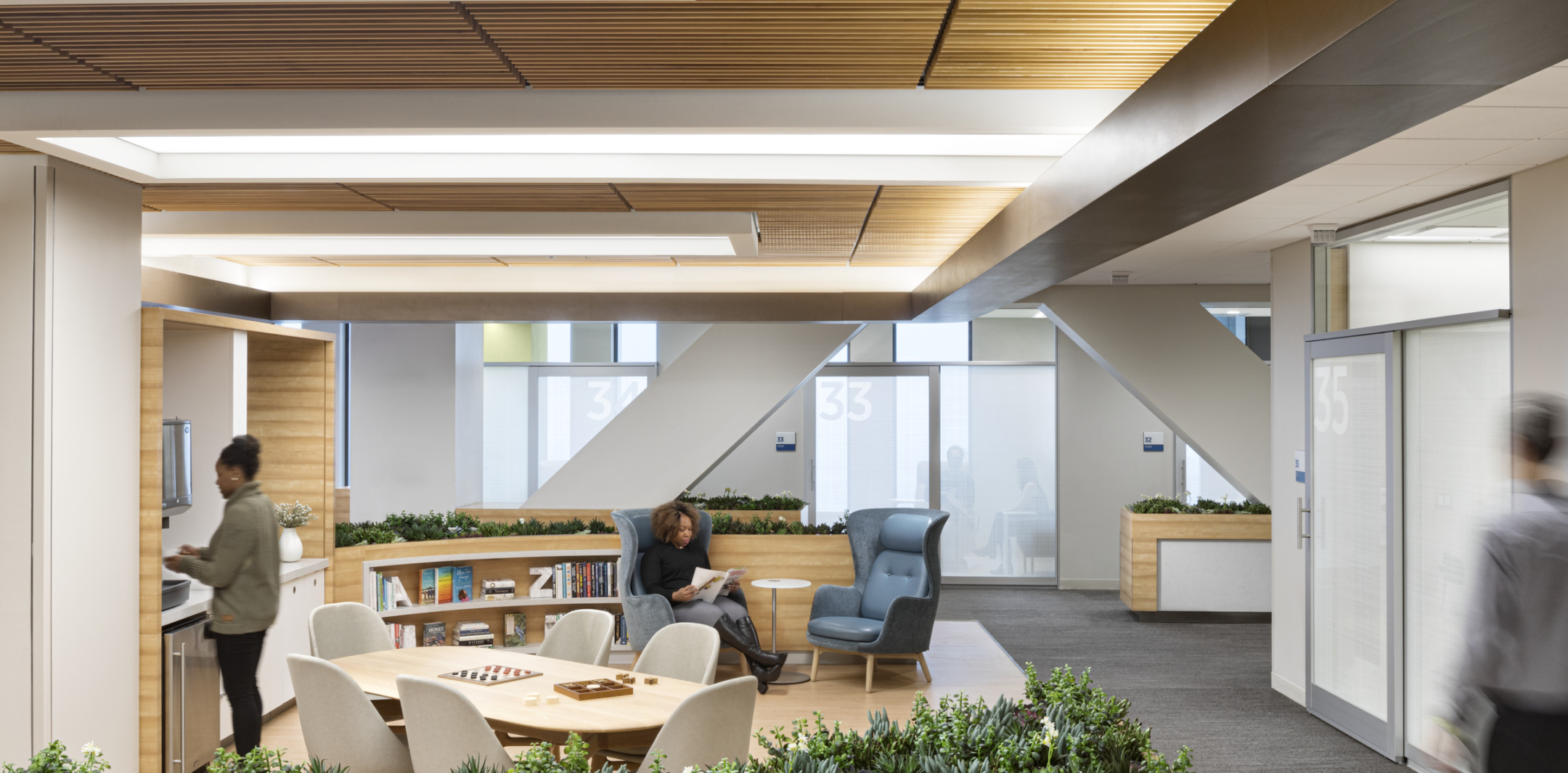
The goal for Memorial Sloan Kettering’s largest freestanding cancer center in New York was to provide topflight care in an environment that deinstitutionalizes the traditional hospital setting. Left photograph © Chris Cooper

Channeling Home

Longtime client Memorial Sloan Kettering asked us to push the boundaries of patient-focused environments in the design of the David H. Koch Center for Cancer Care at Memorial Sloan Kettering Cancer Center in Manhattan, which opened in 2020. At every turn, we were encouraged to enhance the daily experience for everyone in the building.

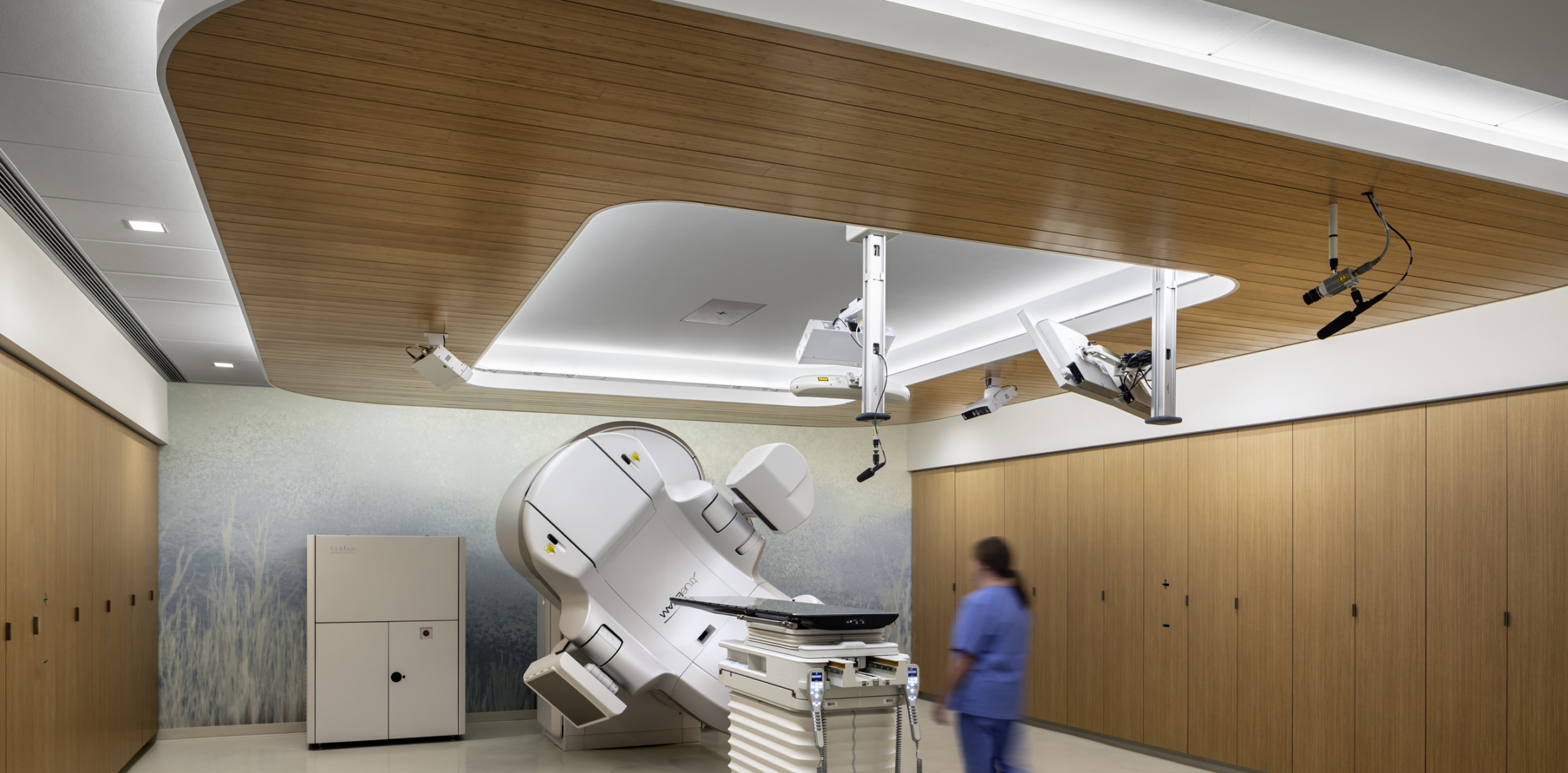
To channel the patient’s point of view, we met our client at a coffee shop with a rustic interior reminiscent of a country store. Its warm atmosphere puts its patrons at ease, and it inspired us to create comfortable spaces large and small that align with patients’ needs and moods. Living rooms, workstations, children’s play areas, and kitchenettes replace conventional waiting rooms. Broad windows offer views across the East River. Wood-grained cabinetry hides medical equipment and supplies. Perhaps most meaningful is the Get It Together room, a supportive space near the hospital’s entry, where patients can collect themselves before heading back out into the city.

Redefining Cancer Care Environments 3

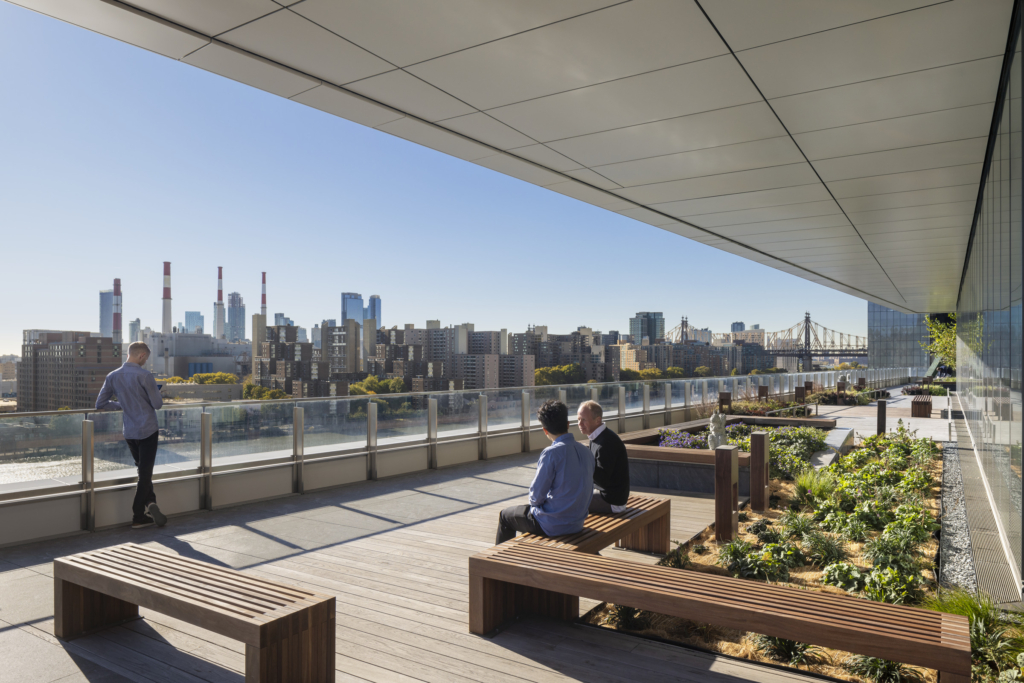
A landscaped terrace at Memorial Sloan Kettering responds to well-established research showing that
ample daylight exposure, views toward nature, and access to the outdoors improve patients’ mood,
reduce pain perception, and speed recovery times.

The 25-story center also provides flexibility as new technology or patient needs emerge over time. The design features two adaptable “anything floors” with robust structure and ample floor-to-floor heights that can accommodate labs, surgery, imaging, or patient beds as the dynamic requirements of cancer care treatment evolve.

Welcoming and Warm
Redefining Cancer Care Environments 7

An urban medical center of more than half a million square feet can feel overwhelming for a largely rural
patient population. At the Gary C. Werths Building in St. Louis, patients and their families can enjoy the
surrounding views in a setting geared toward hospitality rather than industrialized medicine.

The Gary C. Werths Building, Siteman Cancer Center at Barnes-Jewish Hospital and Washington University School of Medicine in St. Louis, MO, is the only cancer-care center in the region to have earned the gold-standard Comprehensive Cancer Center designation from the National Cancer Institute. Beyond its advanced labs for computational research and development, clinical trials, and new medical protocols, however, arriving patients can expect to receive an important aspect of treatment: they are always greeted with a warm hello.

The design resulted from a nine-month visioning process with the client and stakeholder groups, which included cancer patients and their families as well as faculty members and staff at Barnes-Jewish Hospital and Washington University School of Medicine. Many who live in this rural region expressed trepidations about coming to a large, unfamiliar institution for treatment when they were already feeling sick and anxious.

Redefining Cancer Care Environments 5

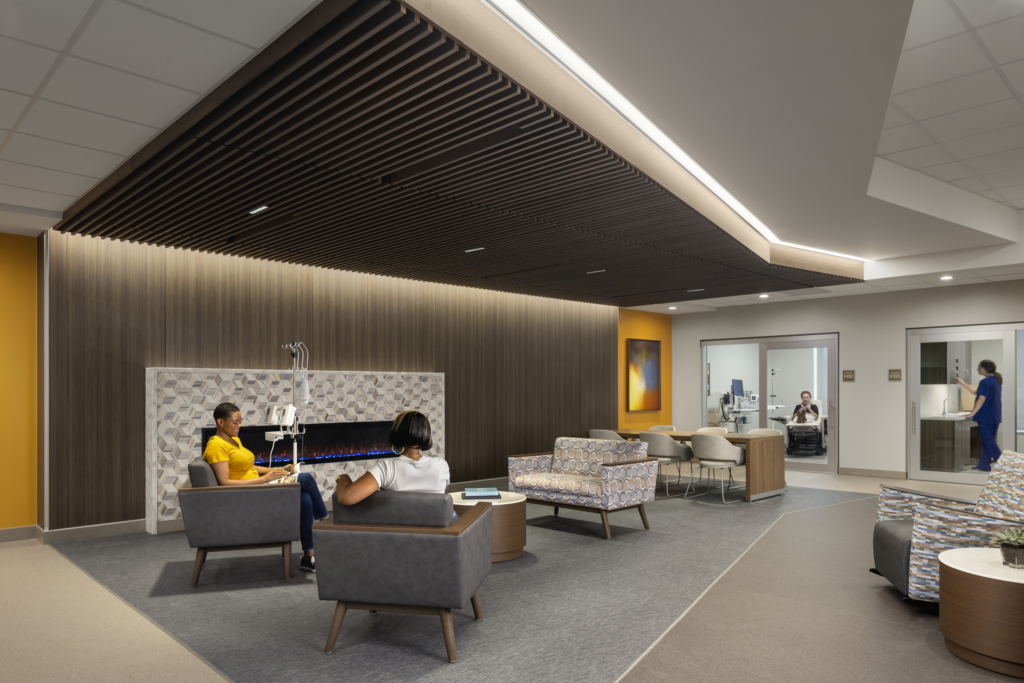
Infusion lounges offer warmth and comfort for patients who must come frequently for treatment.

The client prioritized two design objectives for its patients and staff. The first one was to accommodate a multidisciplinary treatment and consultation platform where the medical, surgical, and radiation oncology teams come together to discuss a treatment plan in one space, sparing patients and their families from moving between exam rooms. Knowledge puts patients in control of their healthcare, so it is important for their teams to make decisions together. The second objective was to create a calm and uplifting environment while providing the most advanced treatments.

The result is a building that is open, friendly, welcoming, and easy to navigate. Because most people arrive by car, the attached parking structure is connected to the medical building via a reception area at each level. From there, patients are shown to bright, spacious exam rooms with banquette seating for their family members. The ground floor offers therapy and wellness programming for survivors—visible spaces where patients can see what recovery and survival look like.

An Intimate Approach to Modern Cancer Care

The key to a successful design lies in our ability to listen closely to the stakeholders, including patients, family, and staff, so we can understand what each is seeking in a day in the life of navigating the new center. Their personal, often moving stories have led us to plan settings that stimulate discovery, allow quiet contemplation, and encourage social engagement. Their testimony also informs building amenities, whether it’s a rooftop garden or yoga studio, a private area for respite or a lively café.

These influences and ideas are driving the conversation for the design of our next cancer center. Developing diverse environments that respond to myriad daily needs and reduce feelings of anxiety will allow our client to better serve patients and pursue advanced research and treatment.