Insights

India’s High-End Housing Prioritizes Global Tastes and Local Traditions

A flourishing residential market opens up opportunities to celebrate craft and culture in amenity-rich developments.
By Nia Puliyel, RA, Senior Associate
India’s High-End Housing Prioritizes Global Tastes and Local Traditions
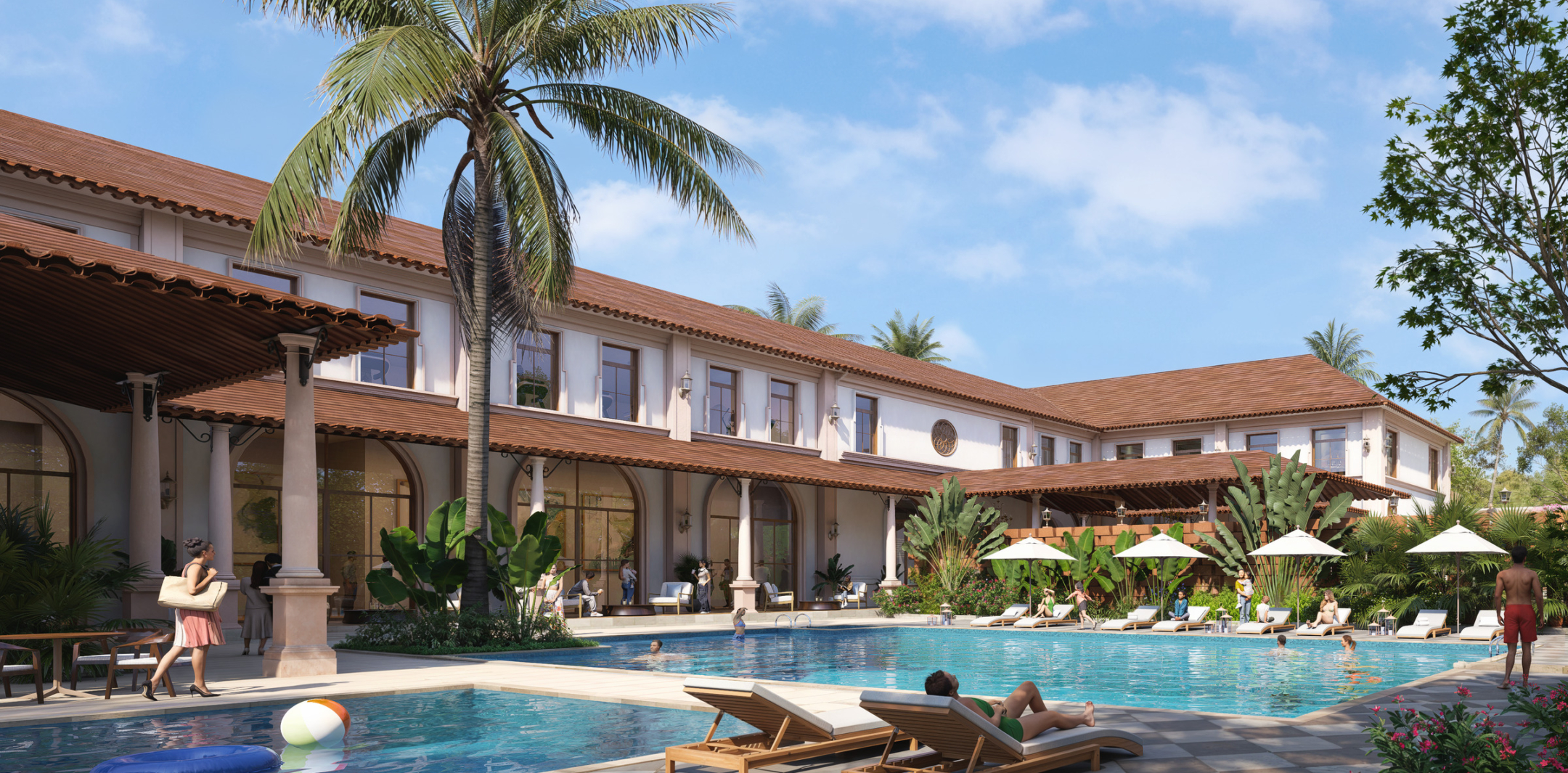
Chopdem is a collection of villas along with a 5-star Marriott hotel and a clubhouse (above) offering premium services in Goa, India. All renderings © Perkins Eastman

At first glance, high-end residential developments in India look much like their counterparts around the world. They aim to match the materials and amenities found in premier international developments. In subtle ways, however, premium housing is distinct in India. Projects are often a study in contrasts: global tastes meet deep cultural roots and lavish finishes sourced from Italy sit beside locally crafted stone. A design brief may call for both hypermodern minimalism and layouts that follow Vastu Shastra, an ancient Indian principle of architecture similar to feng shui.

Opportunities to deepen this merging of local and international influences abound, thanks to India’s booming high-end residential real estate market. During the first quarter of 2025, luxury and ultra-luxury homes accounted for 59 percent of new residential supply in the country’s National Capital Region, according to CNBC. And with 67 percent of high- and ultra-high net worth individuals bullish on India’s long-term growth, the report continued, this “confidence is increasingly translating into sustained demand for high-quality residential assets that go beyond traditional definitions of luxury.” We’ve seen this firsthand via a steady rise in residential inquiries to our Mumbai studio since 2022. Buyers are seeking larger dwellings with on-site amenities that support work-from-home spaces, indoor-outdoor plans, and a stronger focus on wellness.

Working across a wide range of residential projects in India—including senior living communities, resort-style villas, and urban towers—gives us an opportunity to shape how luxury is developed in different contexts. Each project presents unique challenges and opportunities.
Indoor-Outdoor Flow for Senior Living in Dehradun
India’s High-End Housing Prioritizes Global Tastes and Local Traditions 1

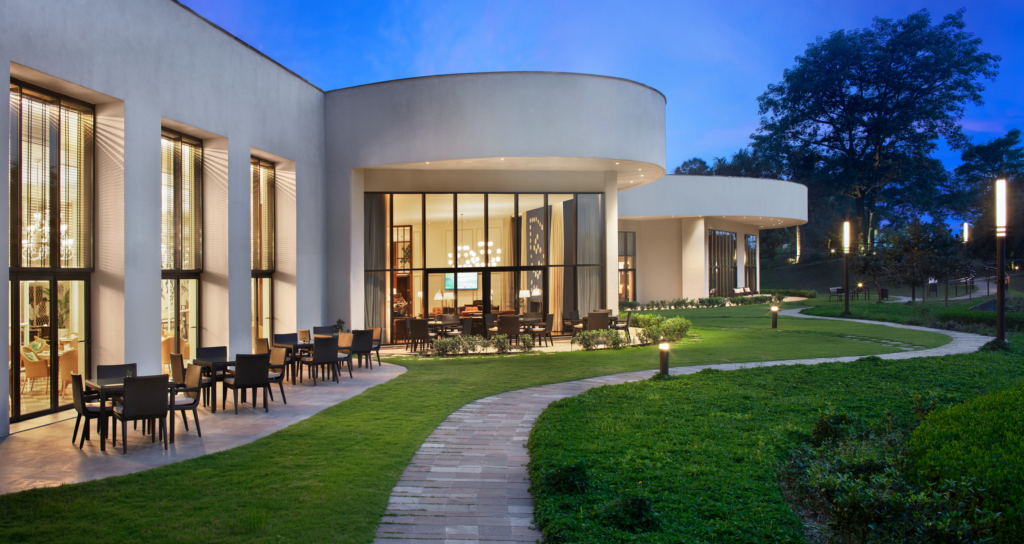
Antara’s communal landscape allows residents and visitors to enjoy outdoor spaces throughout the year.
Photograph © Andre J. Fanthome

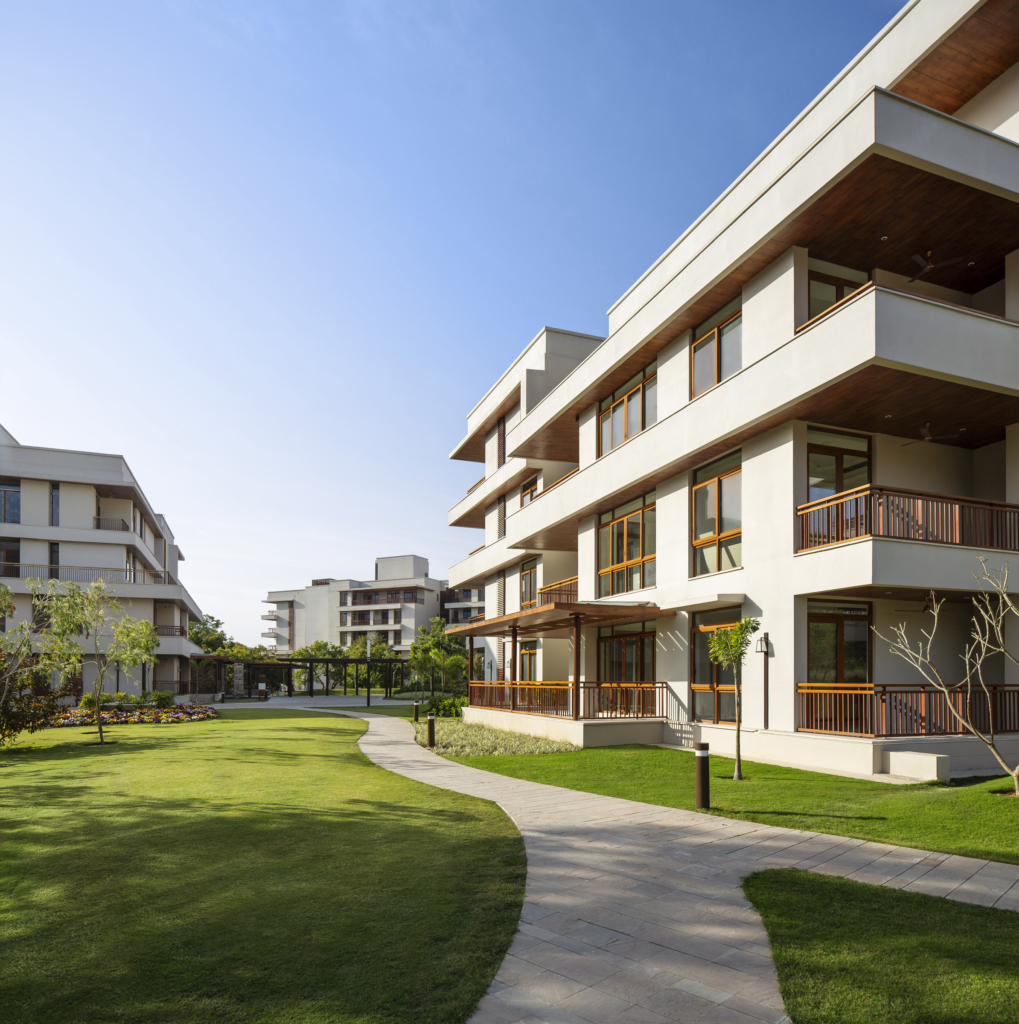
Antara is a luxury senior living community on a lush, 13.2-acre site featuring 215 apartments and a range of accessible, age-appropriate amenities that include a clubhouse and wellness center. One of our first forays into the high-end residential market and completed in 2018, Antara is tailored to Dehradun’s temperate conditions. In addition to large balconies and terraces, the communal landscape features shaded patios connected by covered walkways, allowing residents and their visitors to enjoy outdoor spaces year-round.

India’s High-End Housing Prioritizes Global Tastes and Local Traditions 2

Large balconies, shaded patios, and covered walkways respond to Dehradun’s mild climate.
Photograph © Randhir Singh

Creating a comfortable and well-functioning environment also extends to staff members. The Antara project highlights this common design challenge. In India, it is not unusual for a household of four or five people to employ an equal number of staff members. Whether it is planning for live-in staff, locating drivers’ facilities near parking, or managing the constant flow of delivery people that India’s thriving e-commerce industry necessitates, we design for smooth circulation and staff comfort.

Vastu Shastra Influences Apartment Life in Bengaluru
India’s High-End Housing Prioritizes Global Tastes and Local Traditions 3

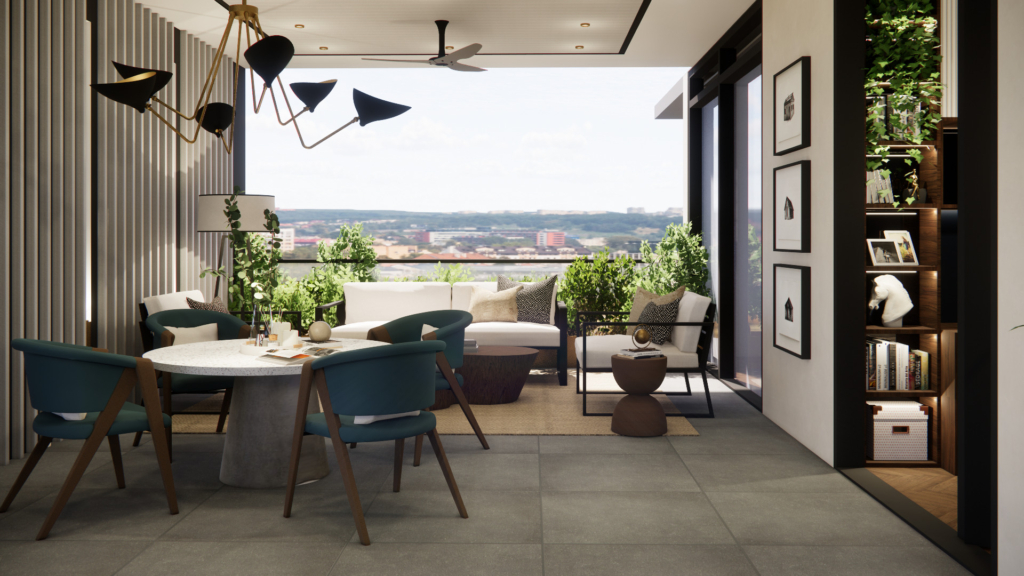
Residential units in TVS Emerald Cascadia followed Vastu Shastra, an ancient Indian architectural principle
similar to feng shui.

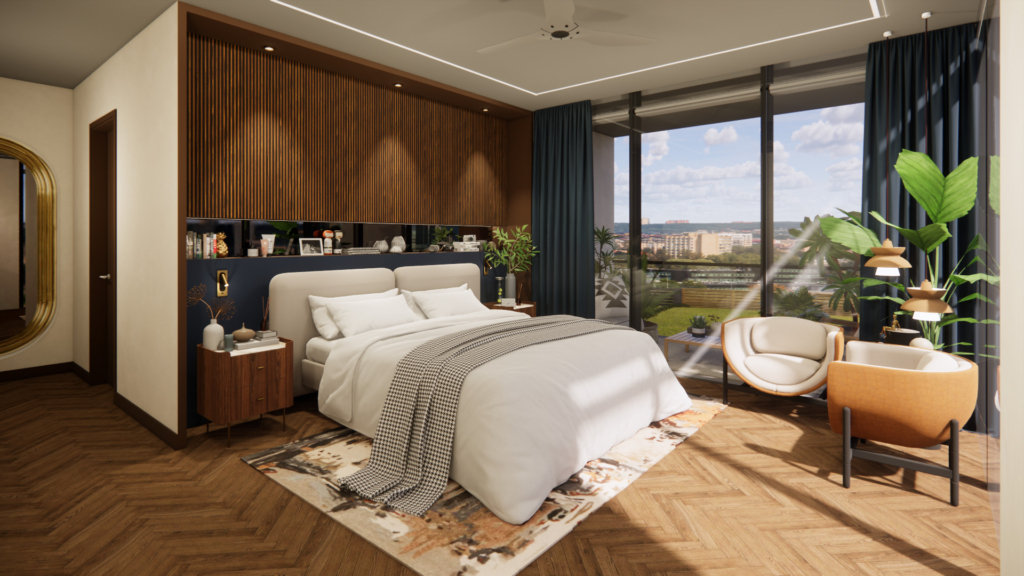
The recently completed model apartment for TVS Emerald Cascadia, a 63-unit luxury residential tower in Bengaluru, offered a valuable learning experience for our team. It highlights many subtle differences between Indian luxury residential design and its international counterparts.

India’s High-End Housing Prioritizes Global Tastes and Local Traditions 4

According to the principles of Vastu Shastra, the way rooms, doors, and furniture are positioned shapes
the energy of a home.

It is among our first projects to require compliance with Vastu Shastra, a belief system that the orientation and layout of rooms and furnishings can channel positive energy in a space, leading to better health and prosperity for its occupants.

Modern Wellness Wrapped in Traditional Design in Goa
India’s High-End Housing Prioritizes Global Tastes and Local Traditions 5

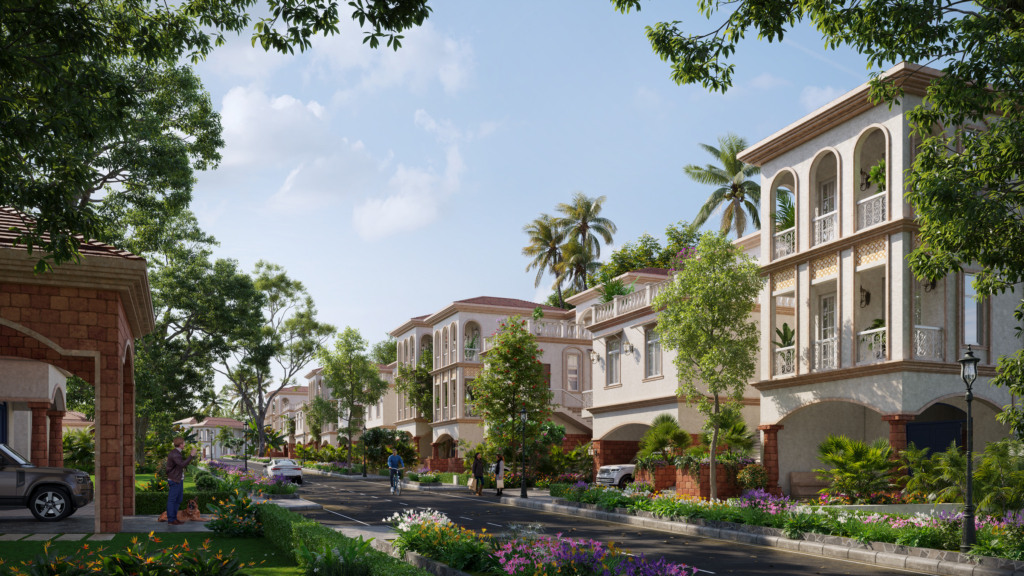
Taking inspiration from Goa’s architectural heritage, the design of Chopdem features locally crafted roof tiles and arched windows and verandas.

Chopdem is a collection of 135 luxury villas set on a 68-acre site in Goa. The development includes a 5-star Marriott hotel and a large clubhouse offering premium services such as fine dining, a spa, wellness centers, and recreational facilities. Perkins Eastman provided the master plan for this community and designed its villas and clubhouse.

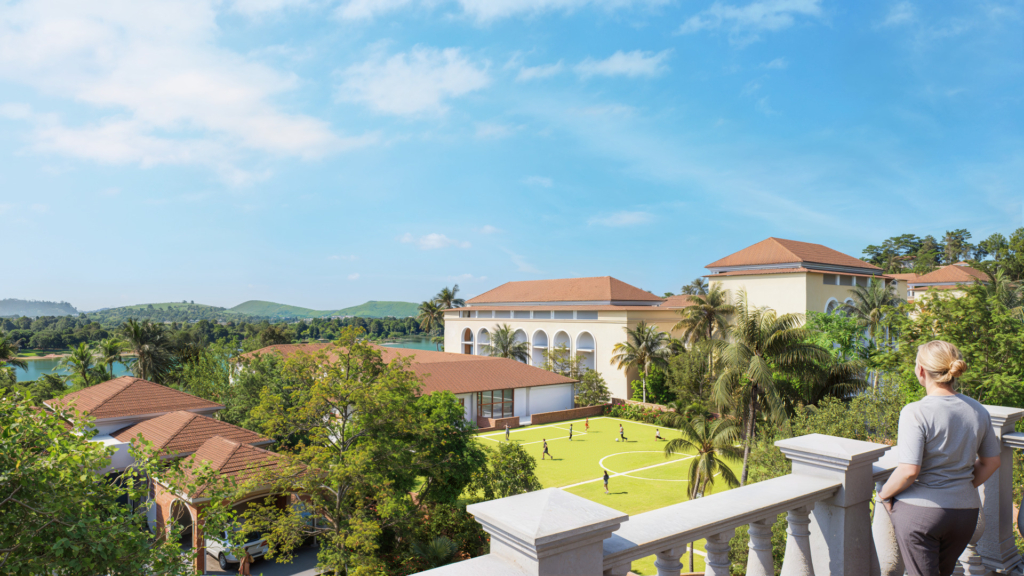
The clubhouse reflects international trends that emphasize health and wellness. Many of our clients are familiar with upscale global fitness brands, and they expect large clubhouses with state-of-the-art spa facilities, sports grounds, and wellness amenities to be integrated into their projects.

While Chopdem lives up to these expectations, its club and villas are also influenced by Goa’s traditional architecture. Features such as large arched windows, locally made roof tiles, awnings, and prominent verandas and balconies are adapted from the local Indo-Portuguese style.

India’s High-End Housing Prioritizes Global Tastes and Local Traditions 6

Chopdem’s clubhouse blends traditional architectural influences with the latest in spa, sports,
and wellness amenities.

An Evolving Approach

India’s top-tier residential market continues to expand, “increasingly driven by experience-led living rather than pure price or size,” according to the CNBC report. The market’s design influences are becoming more evident in the process: global ideas grounded in Indian life and the country’s climate, traditions, and social fabric. Whether based on Vastu-informed layouts or international wellness trends, every aspect of a project must balance aspiration and authenticity. Every project is both a learning experience and an opportunity to help define the unique look and feel of Indian luxury living.