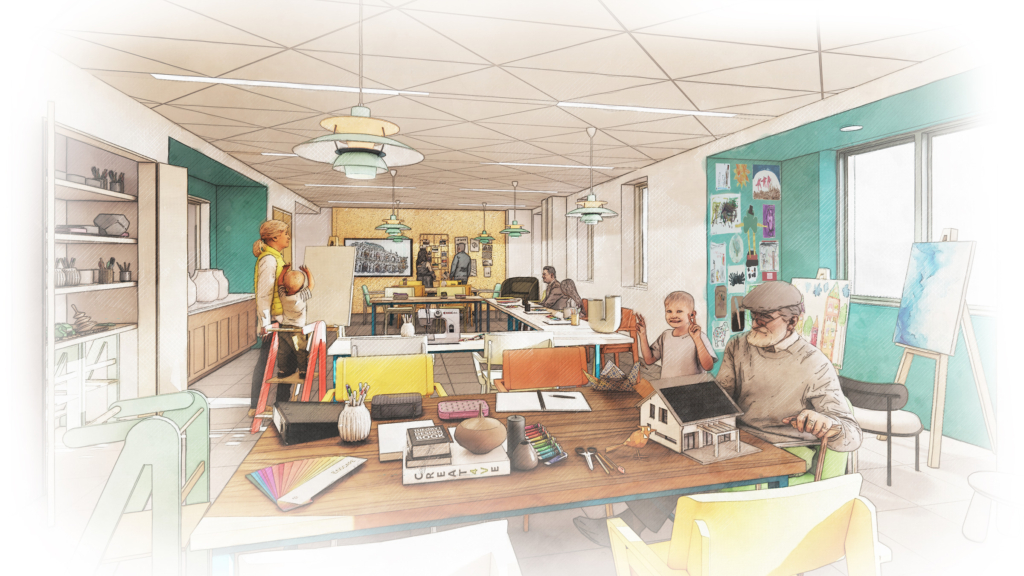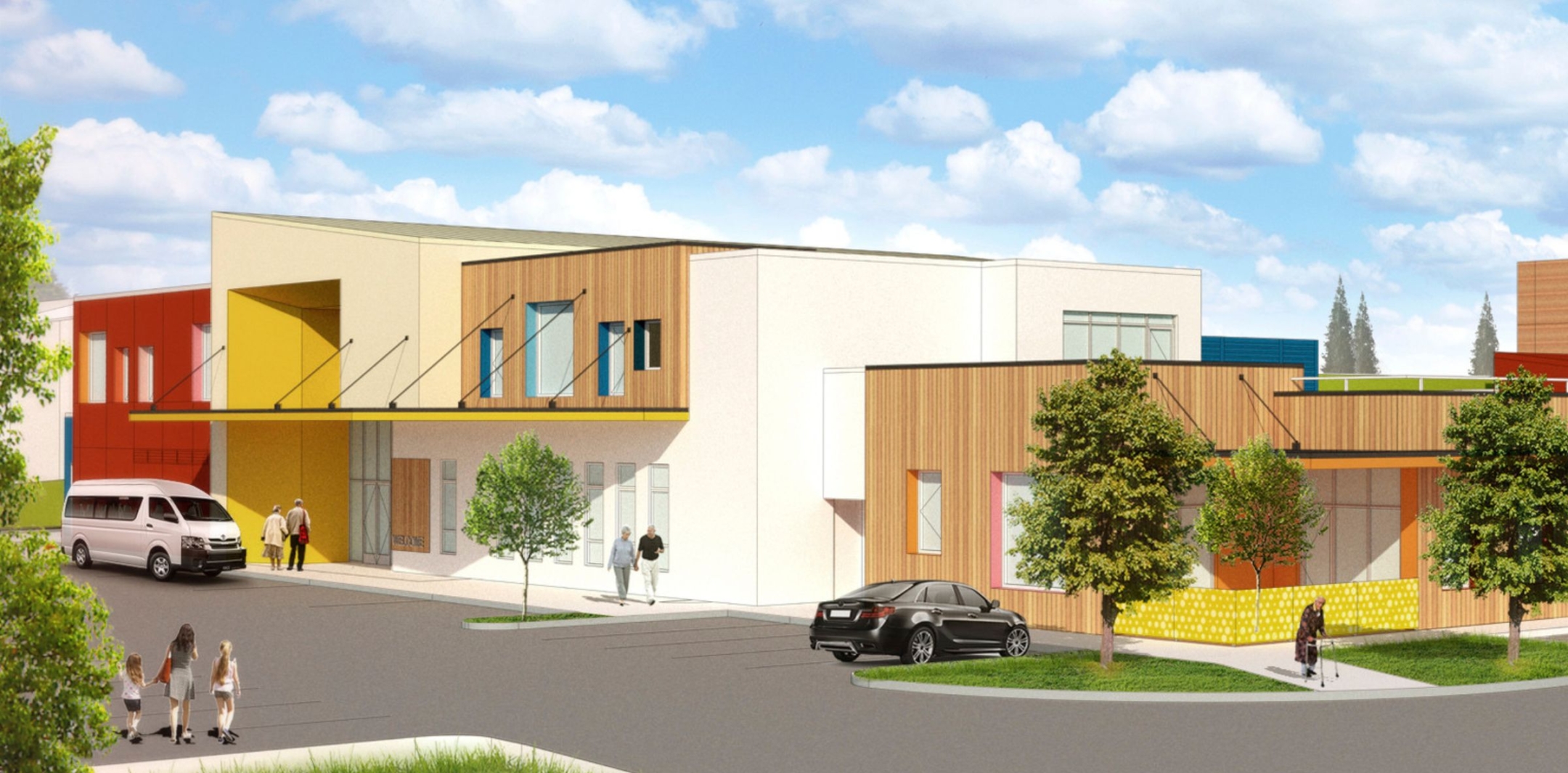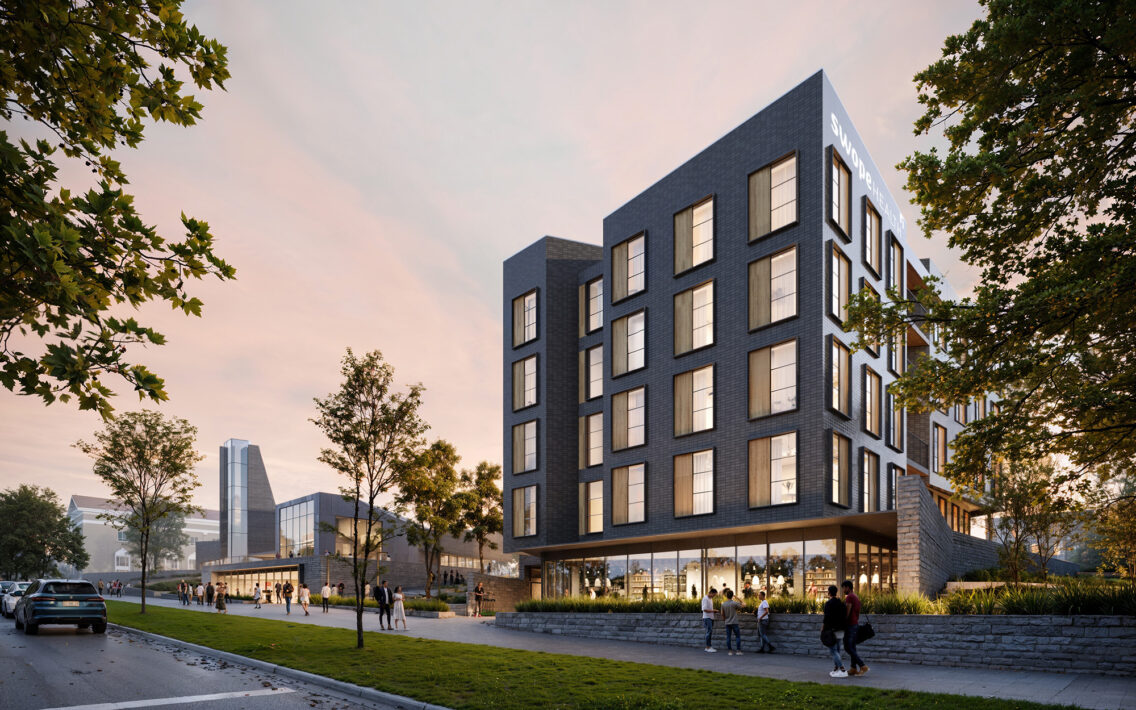
The United States’ transformation from one of the most age-integrated societies in the world in the early 20th century to one of the most age-segregated societies today, a shift documented in the Stanford Social Innovation Review, has contributed to a growing epidemic of loneliness, persistent ageism, and the emergence of childcare and elder care deserts. “We’re living in the most age-diverse time in human history,” Eunice Nichols, the co-CEO of CoGenerate, said on The Atlantic’s “How to Age Up” podcast last year. “We’re simultaneously the most age-segregated by institutions, by infrastructure, by policy. It’s like everything in our lives is designed to separate us.”
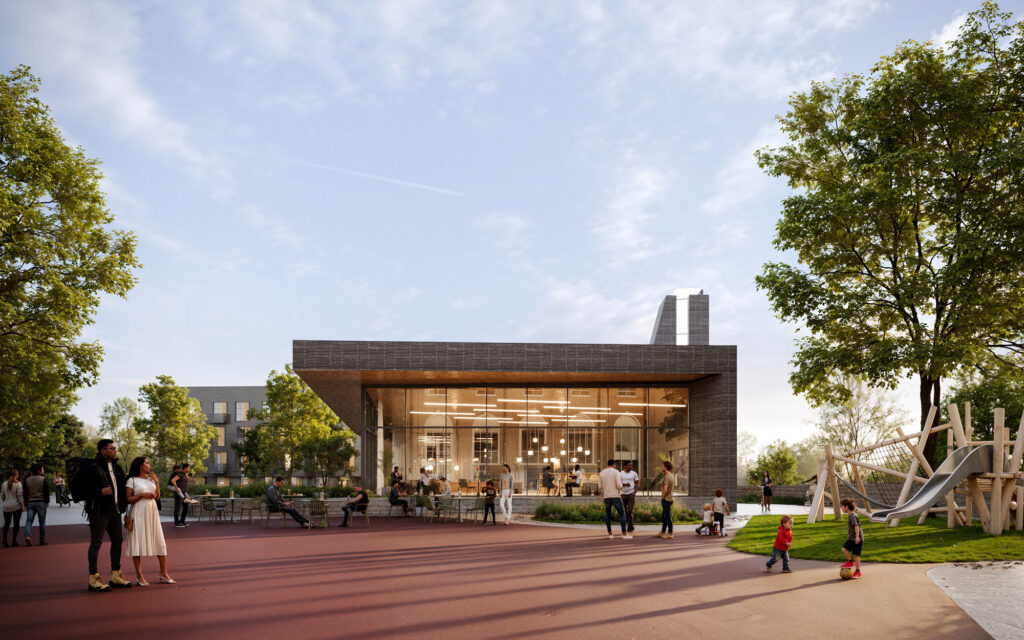
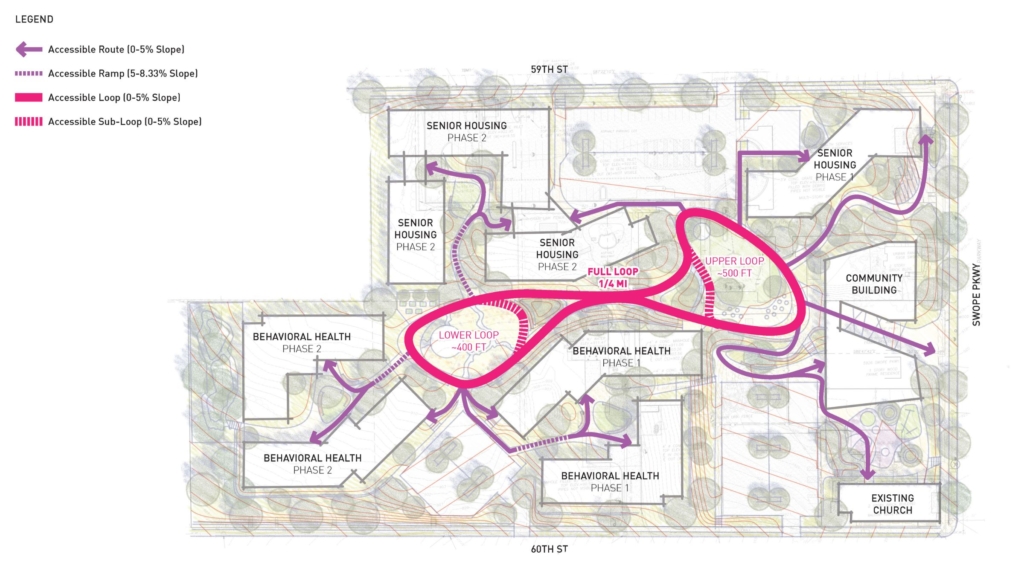
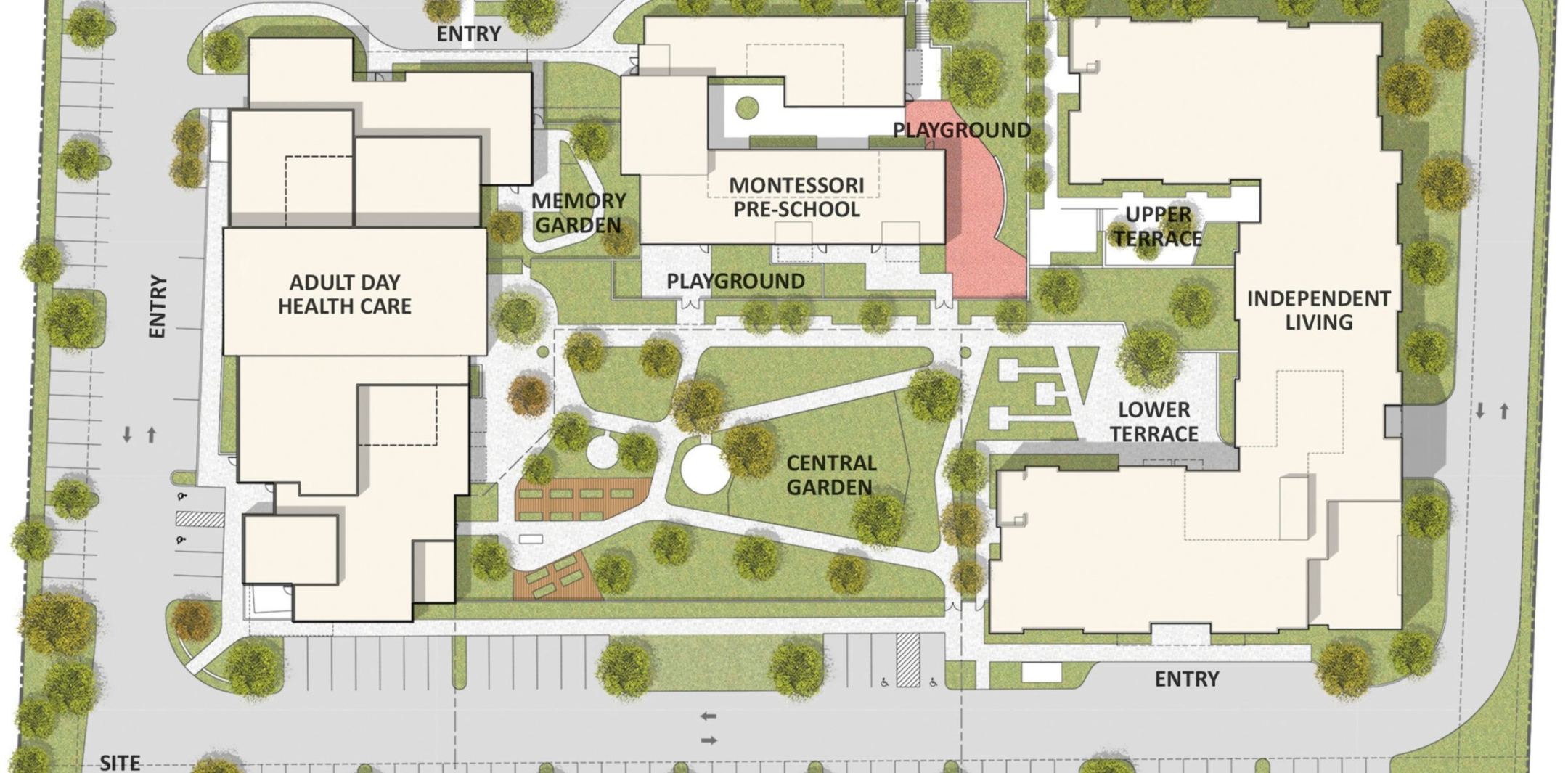
How can design and programming begin to repair the age divide? The answer lies in our profession’s approach to master planning at every scale. We must advance placemaking as a foundational strategy for rebuilding meaningful connections across generations.
Master planning encompasses many design considerations, including community context and historic patterns, societal impact, infrastructure, and economic drivers. Yet one critical dimension has been overlooked in the United States: intergenerational connection.
Plans for Aging
The nation’s median age continues to rise, driven by baby boomers, decreasing birth rates, and increased longevity. Older adults comprise a rapidly expanding demographic, prompting cities and municipalities to confront a new imperative: creating environments that serve the sometimes conflicting needs of today’s inhabitants and multiple generations to come. Intergenerational master planning is emerging as a holistic, future-oriented approach that weaves social, spatial, and health and wellness strategies into the fabric of communities.