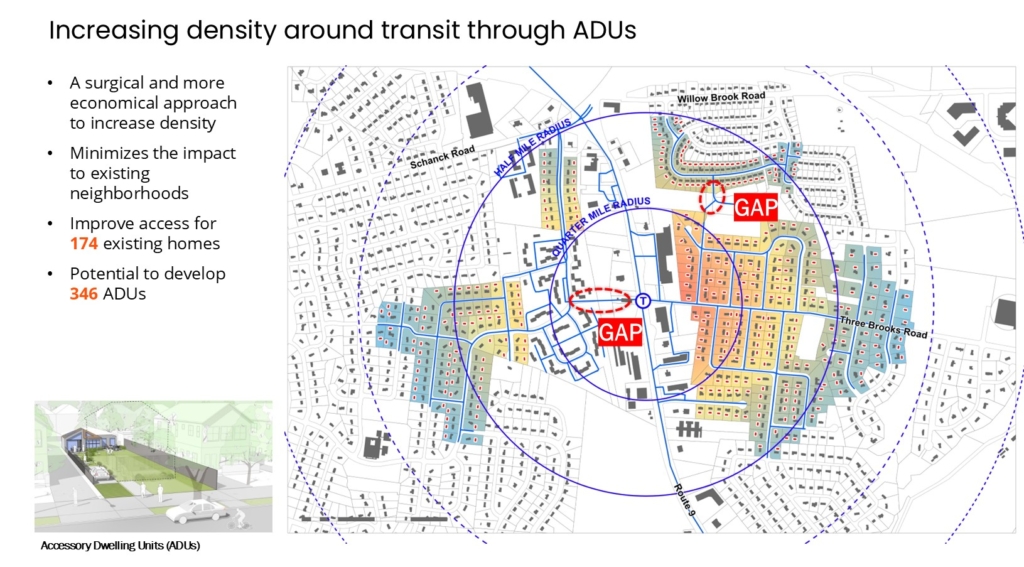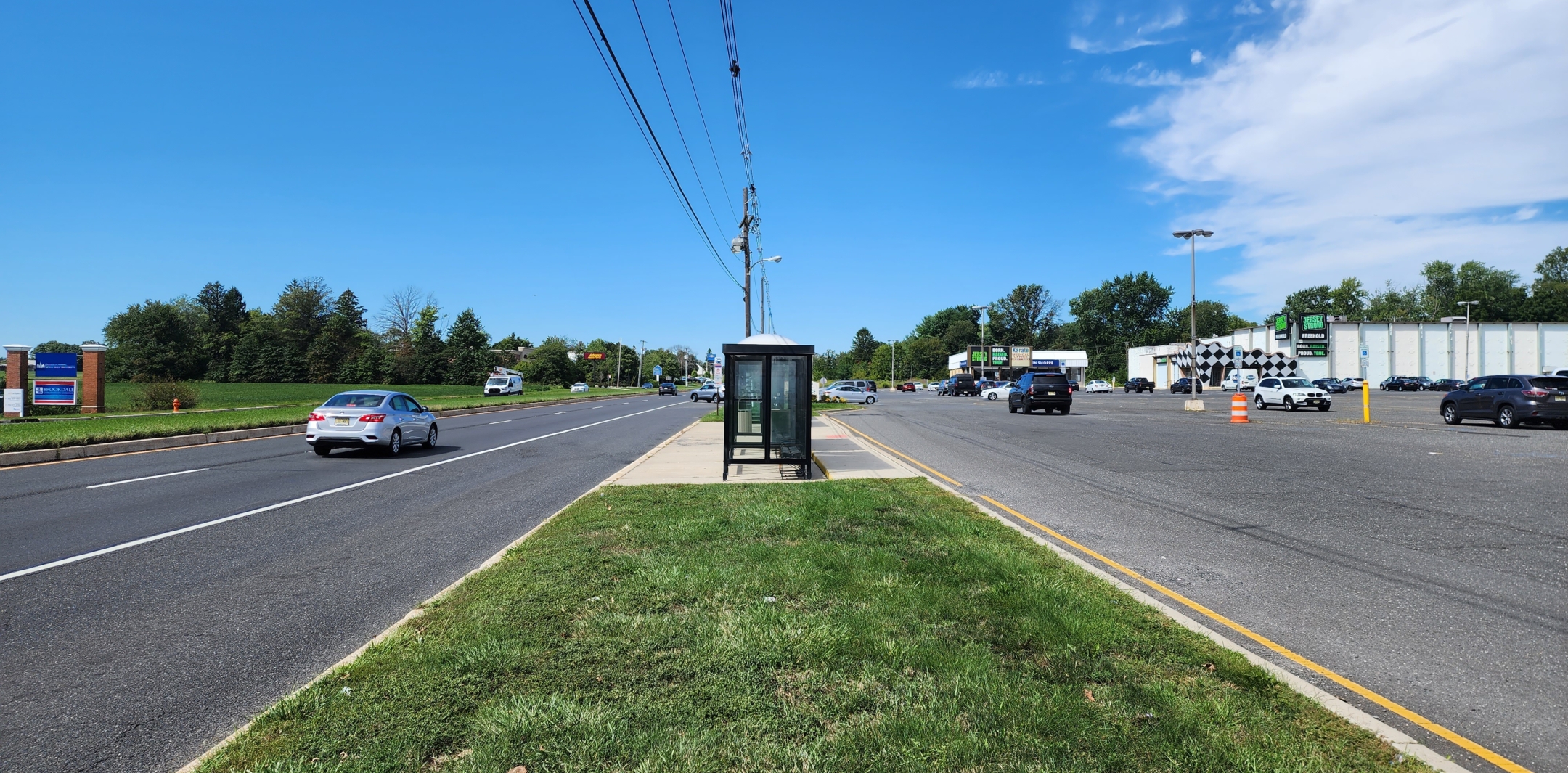
As any New Yorker who has looked for an apartment close to the subway knows, the closer to the station, the higher the rent. A similar scenario exists in the suburbs, where more modestly priced housing tends to be in locations with poor access to public transportation and other amenities.
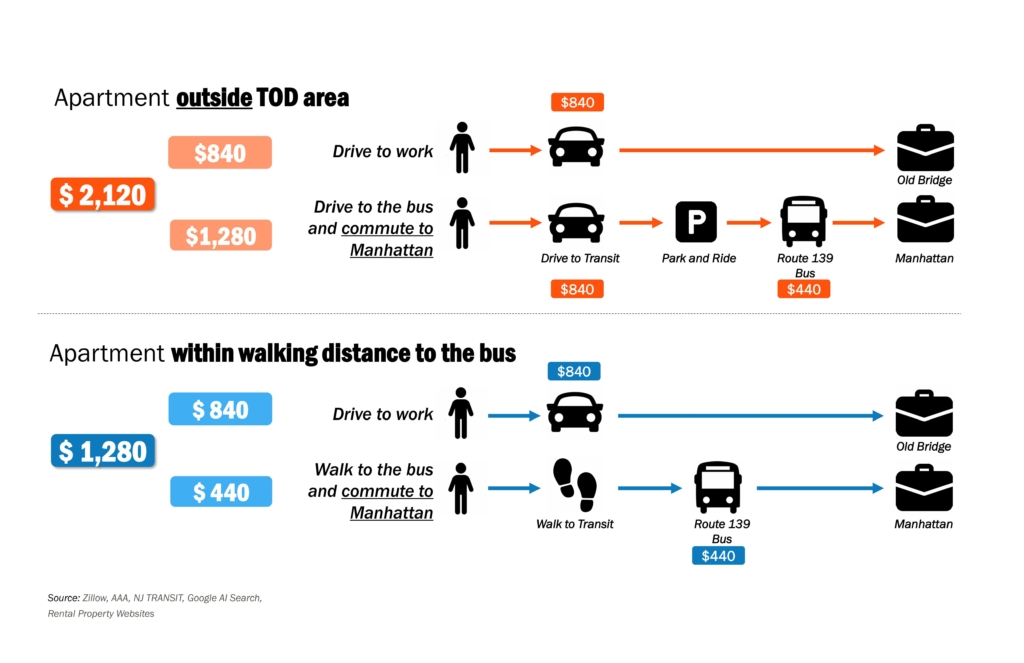
Together, housing and transportation are the two largest items in the household budget, and they are inextricably linked. Those who live near affordable transit and urban amenities pay more for housing, while those who live farther from transit options pay more in car-related expenses. While the lack of affordable housing is a well-documented problem, high transportation costs are only beginning to receive attention. Wall Street Journal car columnist Dan Neil declared last fall: “Daily transportation has become a household budget-buster,” with car ownership costs that have “gone through the roof.”