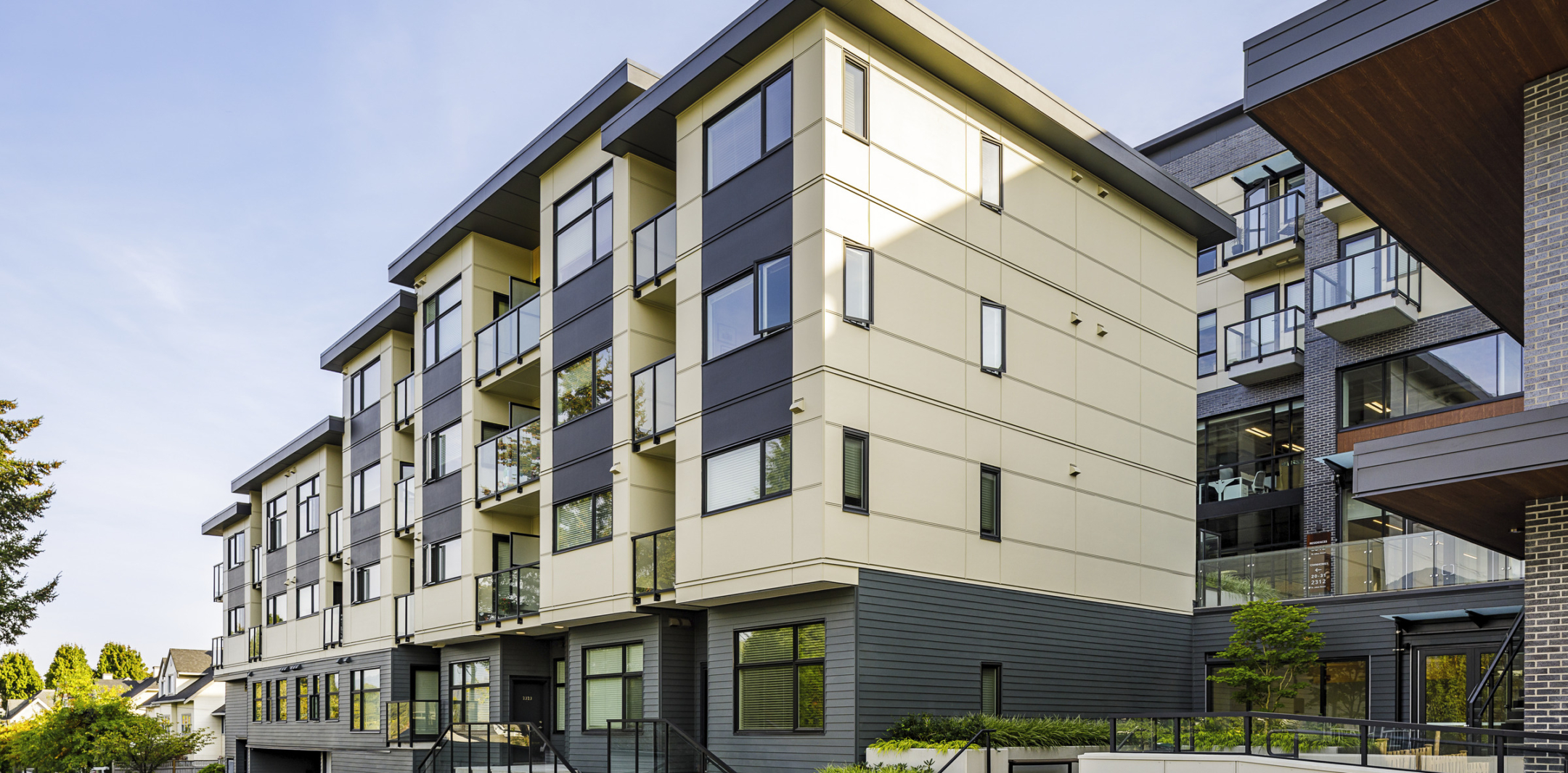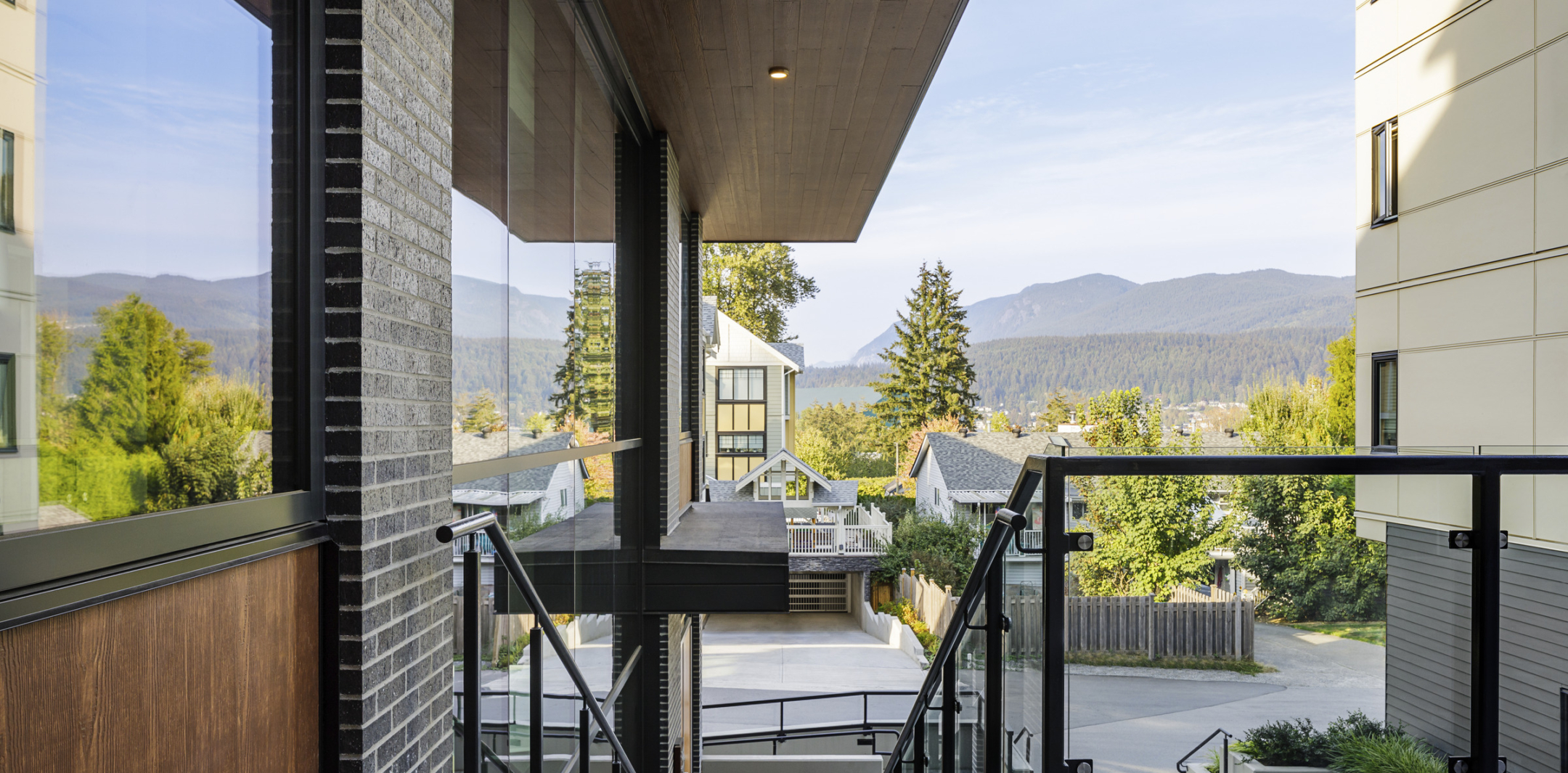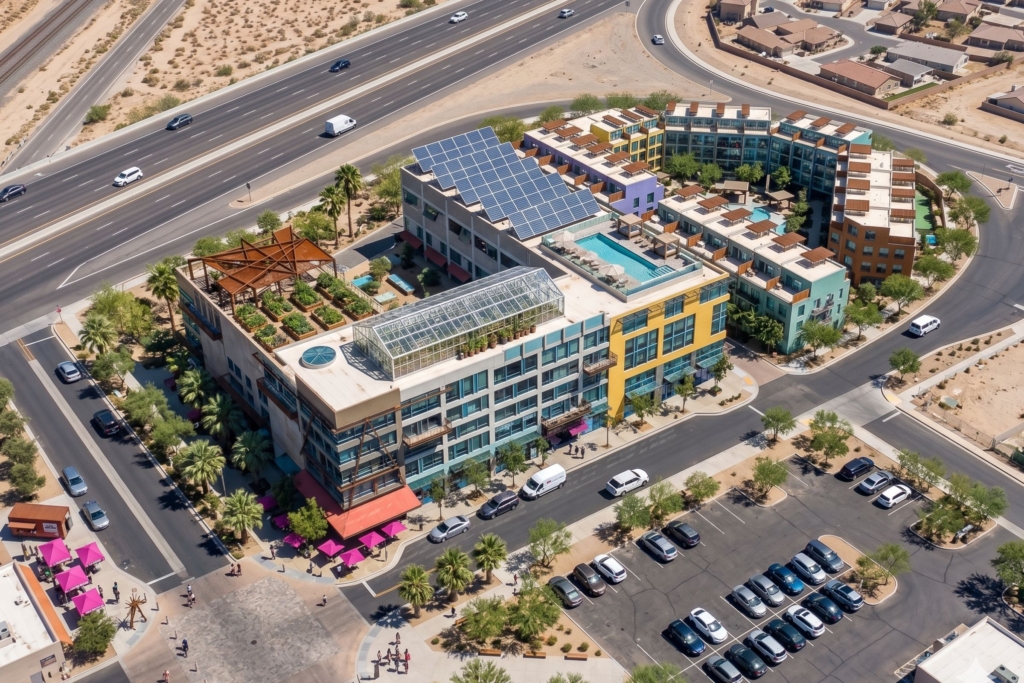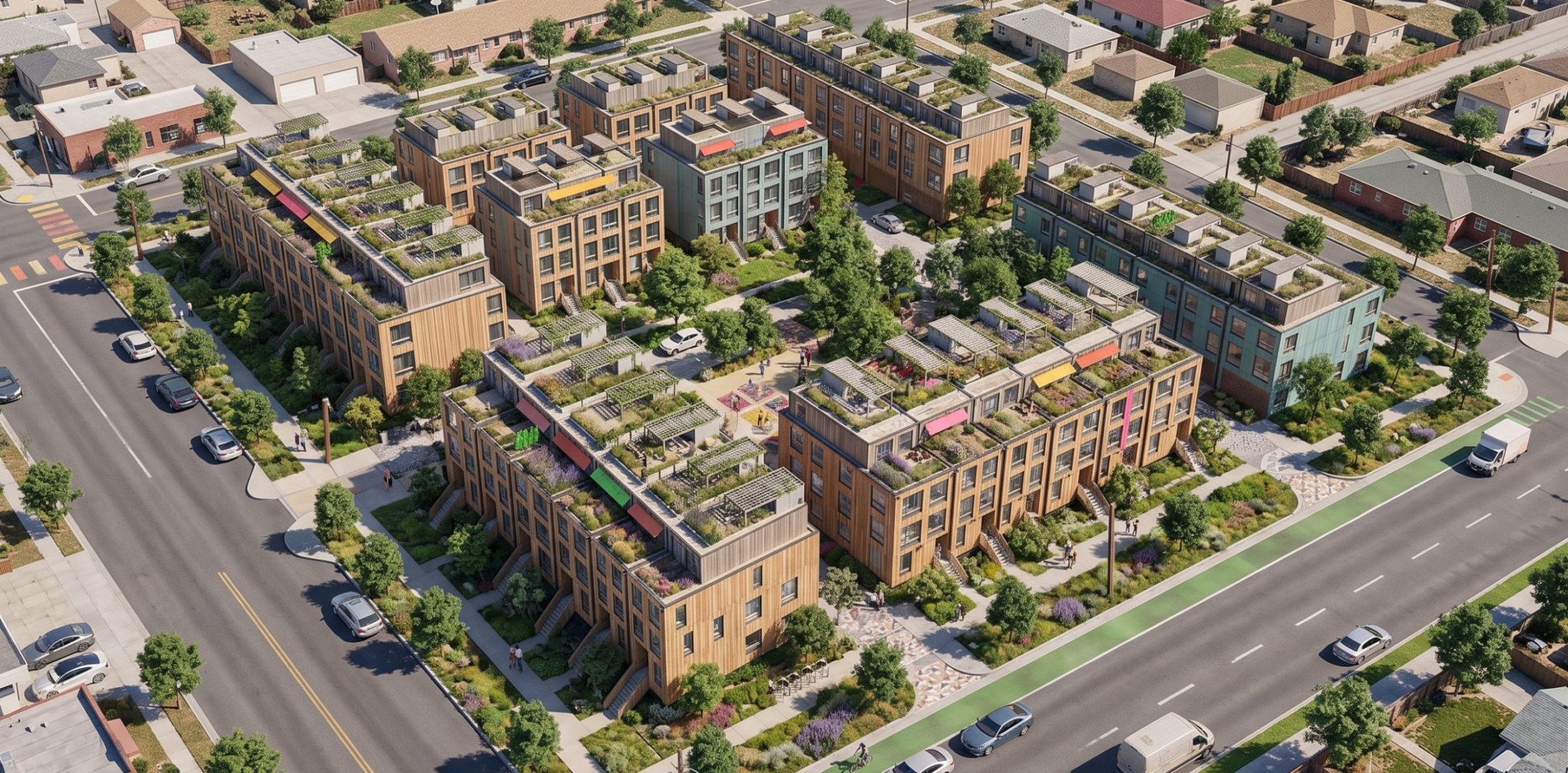
Faced with a nationwide housing shortage of nearly four million homes, developers and city planners alike know that medium-density developments—typically, low-rise with four stories or fewer—can close the gap between single-family homes and multifamily towers. However, these “missing middle” projects are stubbornly elusive when they don’t align with local zoning and building codes. Community opposition can stymie their viability too.
In the century since the US Supreme Court codified zoning as a way to control land use, its effects, Bloomberg CityLab reminds us, have “locked in the hegemony of the single-family home, at the expense of more affordable multifamily housing.” To address the need for new housing options, we are exploring ways to help municipalities and public entities such as the Solano Transportation Authority (STA) in Suisun City, CA, enable medium-density development on both the policy and design levels. Our housing studies for several parcels of this city-owned land aim to attract private developers to the sites.
Smart planning and contextually sensitive design can help these developments blend into existing neighborhoods. On the policy side, public-private partnerships can help developers cover otherwise prohibitive infrastructure costs and impact fees so they can build more affordable housing. By shifting the focus from individual houses to aggregated clusters in existing communities with parks, sidewalks, transit, and services already in place, housing becomes less expensive to develop and accommodates more units. State-level zoning changes can help pave the way toward making these developments possible.