Insights

Hotel and Resort Spas Are Evolving into Wellness Ecosystems

Advanced space-planning technology and collaboration with industry specialists support the design of increasingly complex spa facilities.
By Gordon Lee, Assoc. AIA, LEED Green Associate, Fitwel Ambassador, and Associate Principal, ForrestPerkins
Hospitality Spas Are Evolving into Wellness Ecosystem Environments 1
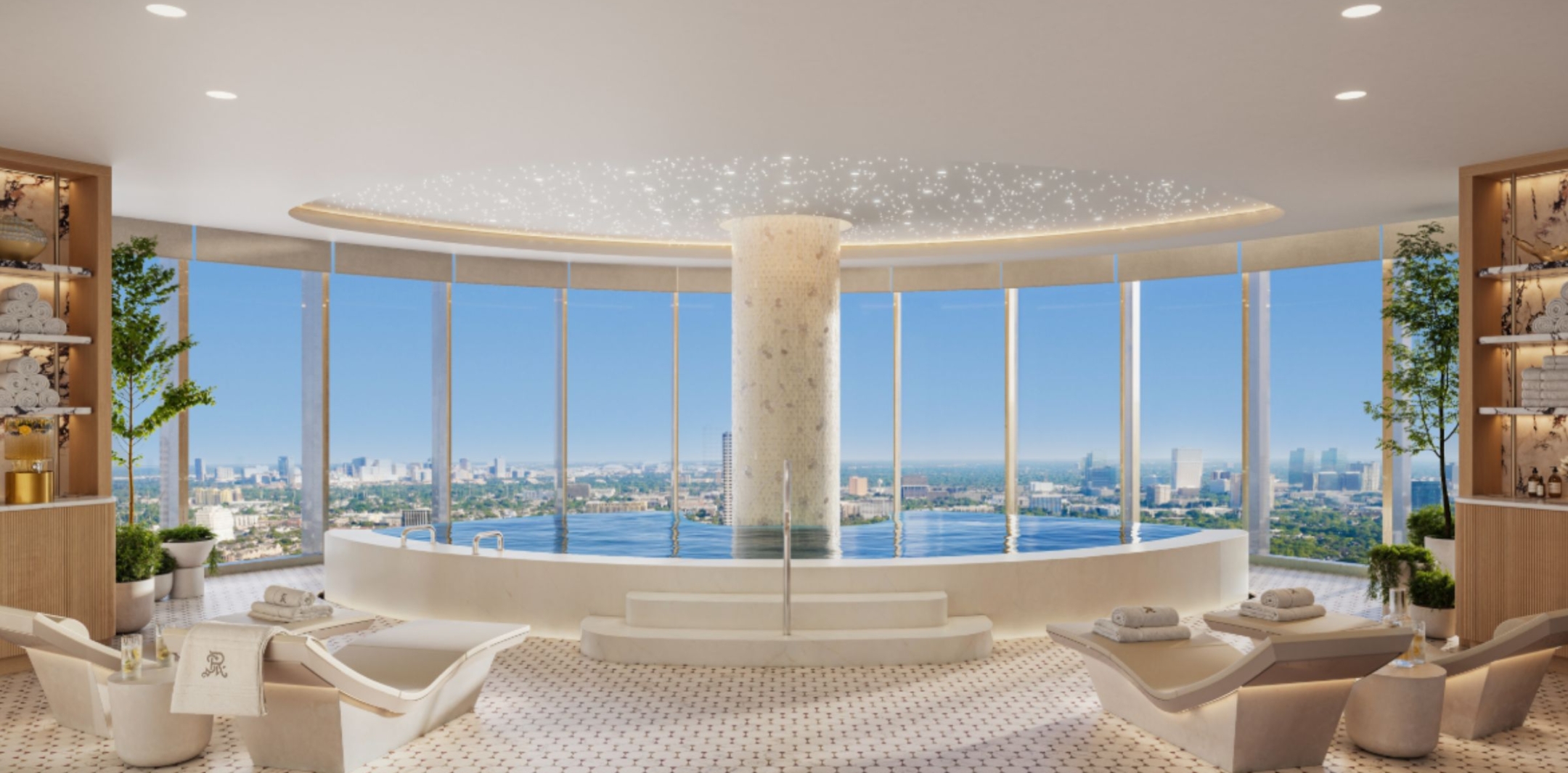
Health, wellness, and longevity programming are taking center stage in hospitality spa designs like this hot-plunge pool lounge planned for the St. Regis Residences, Houston. Renderings © ForrestPerkins

Hotel spas have long served as a refuge for travelers to indulge in moments of quiet restoration. Today, guests require much more: experiences that support long-term health, preventive care, and well-being. The desire for longevity is increasingly shaping how people define wellness, shifting the focus from treating illness to proactively sustaining health over time. Guests are no longer seeking reactive care but are prioritizing prevention, resilience, and optimized performance as part of their everyday lives. This mindset is driving demand for spaces and programs that support long-term vitality, positioning hospitality environments as key facilitators of a healthier, more balanced future. To monitor and accommodate rapidly expanding wellness programming, we have built a network of spa specialists and developed a technology platform that helps us explore optimal layouts.
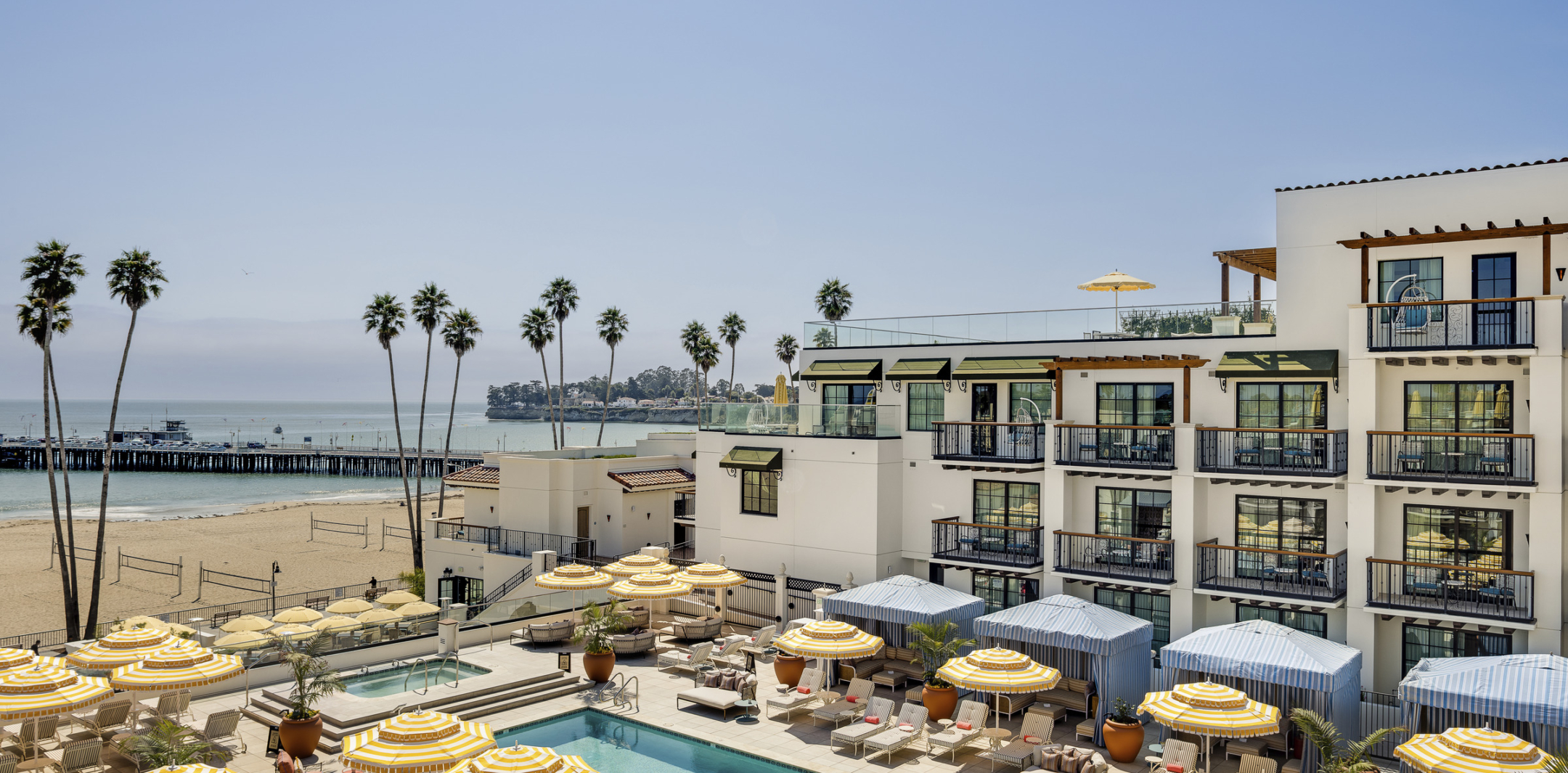
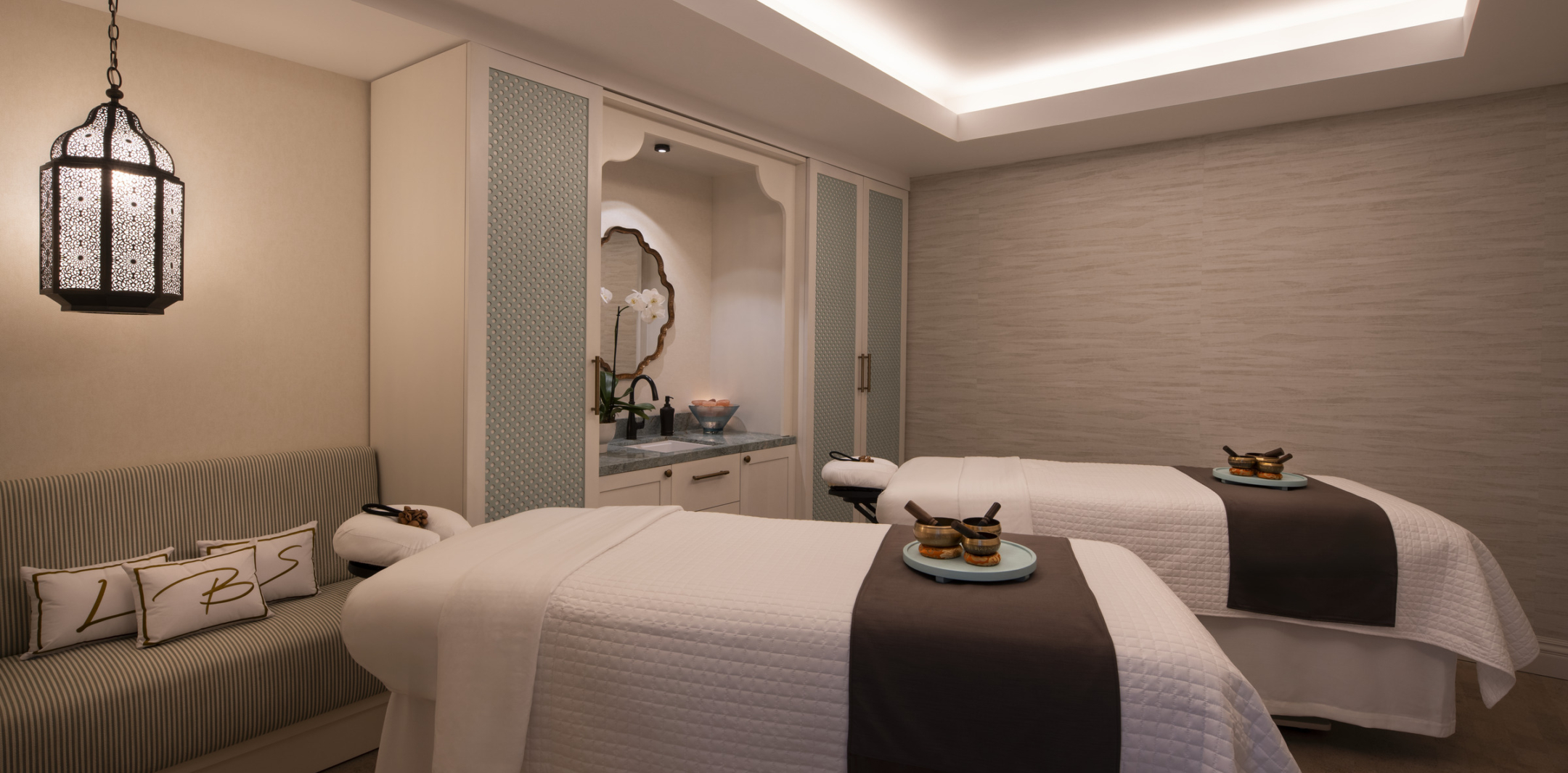
Rooftop spaces at La Bahia Hotel & Spa in Santa Cruz, CA, offer outdoor access and ocean views (left). A rooftop sauna is adjacent to the spa’s flexible treatment spaces (right), lounges, and steam baths.
Pool Photograph © Haley Hill | Spa Photograph © Don Riddle

Changing the Landscape of Wellness

A spa was not part of the original program for La Bahia Hotel & Spa in Santa Cruz, CA, when ForrestPerkins began planning its design in 2021, but with the rapid rise of wellness tourism, our client decided to incorporate one. Our team partnered with hospitality wellness consultants to convert five of the hotel’s planned guest rooms and an adjacent rooftop into an indoor-outdoor spa. La Bahia’s decision is indicative of a larger pattern in the hospitality industry. A 2025 report from the Global Wellness Institute shows that hotel and resort spas saw a 56.4 percent increase in revenue between 2019 and 2024, from $50.4 billion to nearly $79 billion, despite the pandemic disruption. The number of spas in this category also expanded by about 40 percent, from more than 64,000 worldwide in 2019 to nearly 88,000 in 2024. Driven by wellness tourism, hotel and resort spas have grown faster than any other spa category, according to the institute. Hospitality developers are also incorporating spa offerings into their branded residential properties.

This growth is reshaping the spatial and technical requirements of spa environments. Traditional treatment rooms are now joined by spaces for cryotherapy, hydrotherapy circuits, hot-cold contrast bathing, IV therapy, meditation, diagnostic testing, and advanced recovery treatments. Many programs also include nutrition consultation areas, meditation rooms, mindfulness lounges, and sound therapy rooms.

Hospitality Spas Are Evolving into Wellness Ecosystem Environments 4

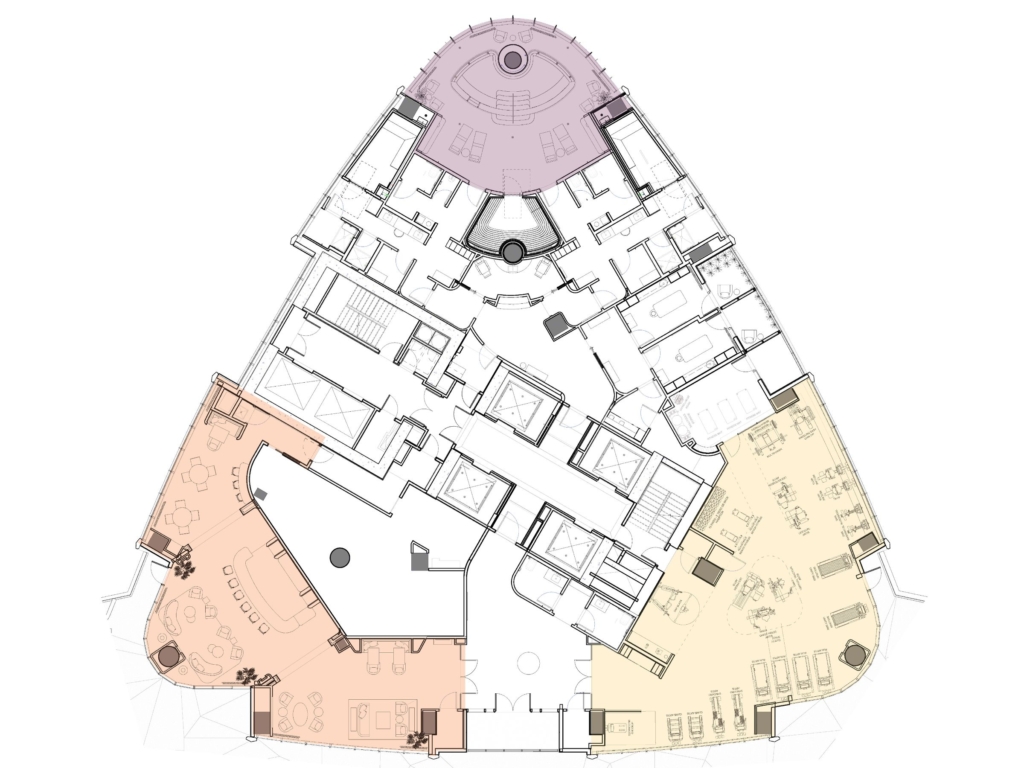
The St. Regis Residences, Houston includes (clockwise from top) a plunge pool, a fitness and movement area, and dining lounge. Floor plan © ForrestPerkins

Hospitality Spas Are Evolving into Wellness Ecosystem Environments 5

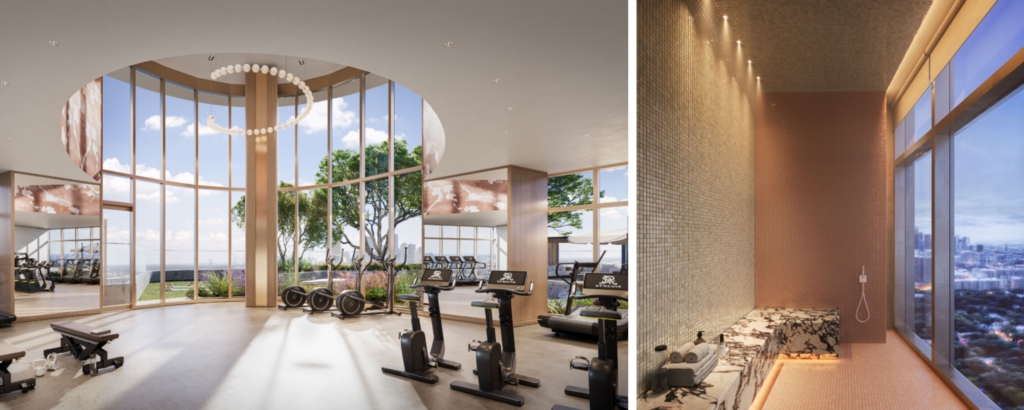
The expansive spa for St. Regis Residences, Houston includes a gym (left) that opens to a yoga lawn and a double-height steam room (right) with sweeping city views. Renderings © ForrestPerkins

The design of these facilities requires specialized infrastructure, environmental conditions, operational considerations, and strategic adjacencies between spaces. For example, the sequence between thermal pools, cold plunges, relaxation areas, and recovery lounges can significantly influence both guest experience and operational efficiency. Calming treatment spaces cannot be adjacent to social areas, and water supply and electrical loads need to be allocated efficiently according to their uses for each space. As a result, hospitality designers must think about wellness plans as integrated ecosystems that support the guest journey.

Leveraging AI to Explore Possibilities

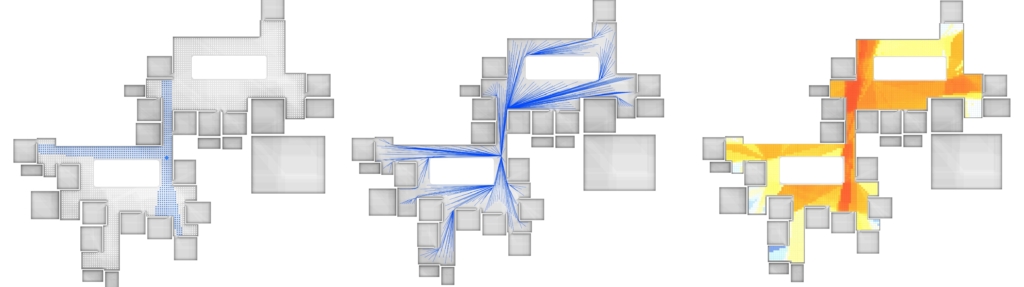
To accommodate expanded spa programming, we asked our design technology team to develop an AI platform that helps us explore optimal layouts. To navigate these growing complexities, our team is exploring how emerging technologies can support early-stage design thinking. We have developed an AI-driven, rapid-exploration platform that helps visualize spa layouts, enabling our designers to quickly test multiple spatial scenarios and adjacencies ahead of more detailed design development.

Hospitality Spas Are Evolving into Wellness Ecosystem Environments 6

The AI workflow optimizes floor plans for intelligibility—how easily a guest can see and move through common passageways. The diagrams (left to right) represent sightlines, travel pathways, and the combined data for the two. © Perkins Eastman

Spas often include dozens of interrelated spaces, each with different environmental and technical requirements. Our AI tool allows us to model relationships between these spaces more dynamically than traditional programming and test-fitting processes. It helps our teams visualize potential layouts and understand how different configurations would support operational and guest flows.

Elevating the Role of Wellness in Hospitality Design

For many years, spas occupied an ambiguous place in hospitality development. While valued by guests, they often did not receive the same level of design attention as lobbies, restaurants, or guest rooms. Today, wellness spaces are no longer an afterthought.

We engage a diverse network of collaborators, including spa consultants and operators and equipment partners, to understand emerging trends in performance, recovery, and longevity. These relationships are particularly important because spa programming developed at the beginning of a hospitality project will almost certainly evolve over the five-to-seven-year duration of its design and construction to reflect changing standards and trends. We maintain continuous dialogue with our collaborators to stay abreast of these changes so we can adjust programming and design accordingly. This framework of collaboration between our designers, vendors, and wellness experts contributes to a broader discussion about the future of wellness in hospitality, while advanced digital tools help our teams stay nimble and ready to adapt.

For media inquiries, please reach out to: news@perkinseastman.com.