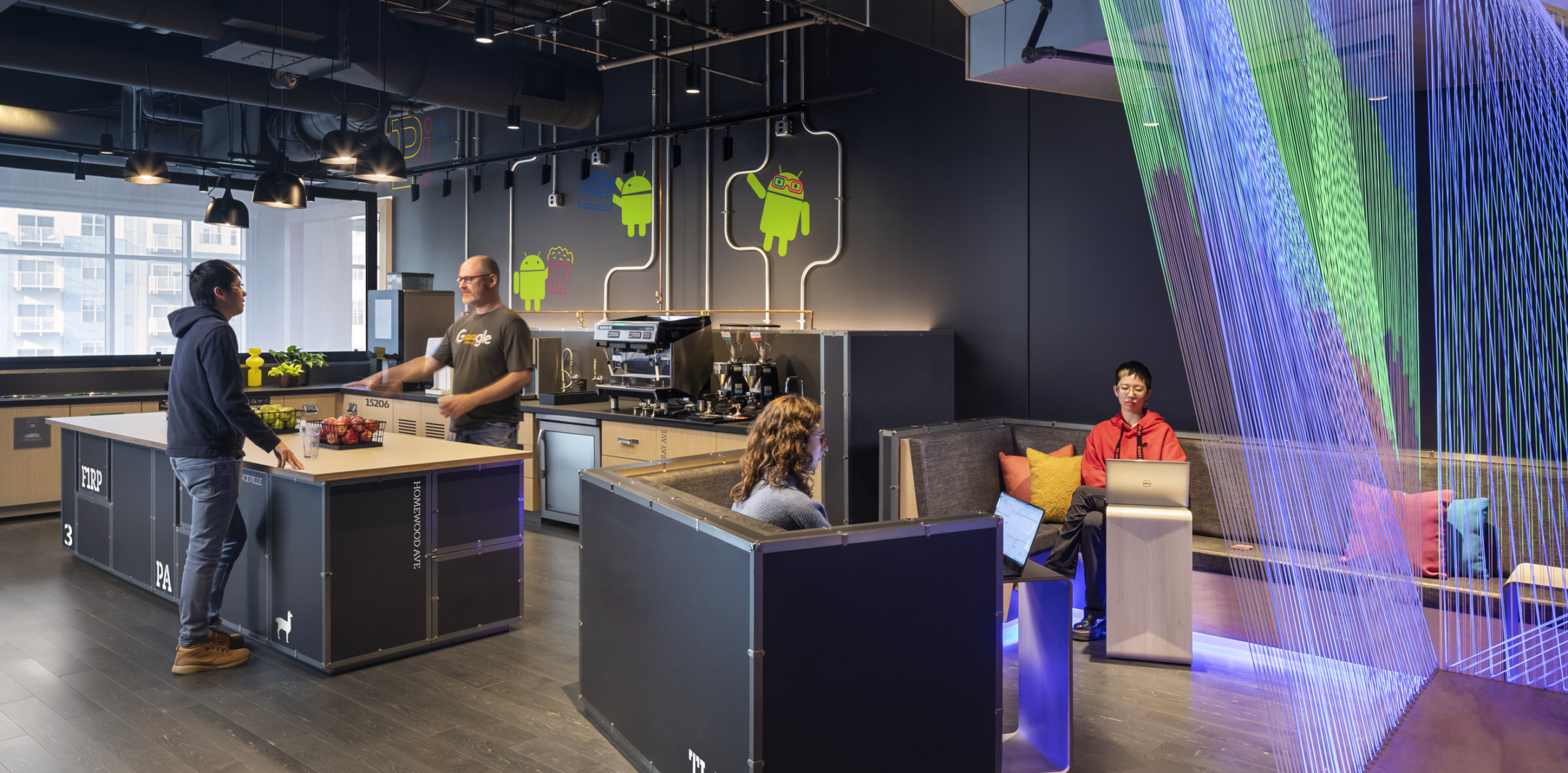
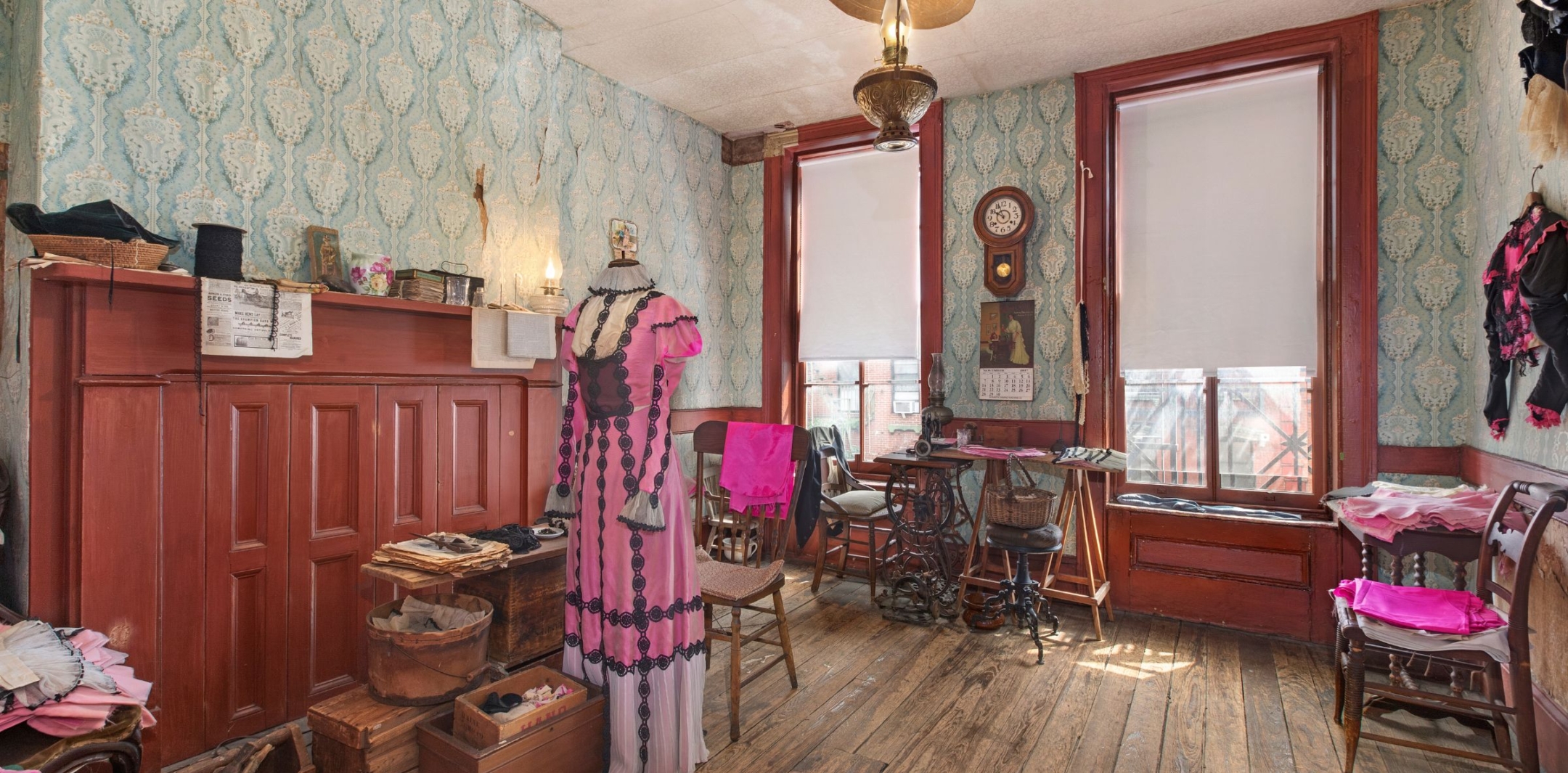
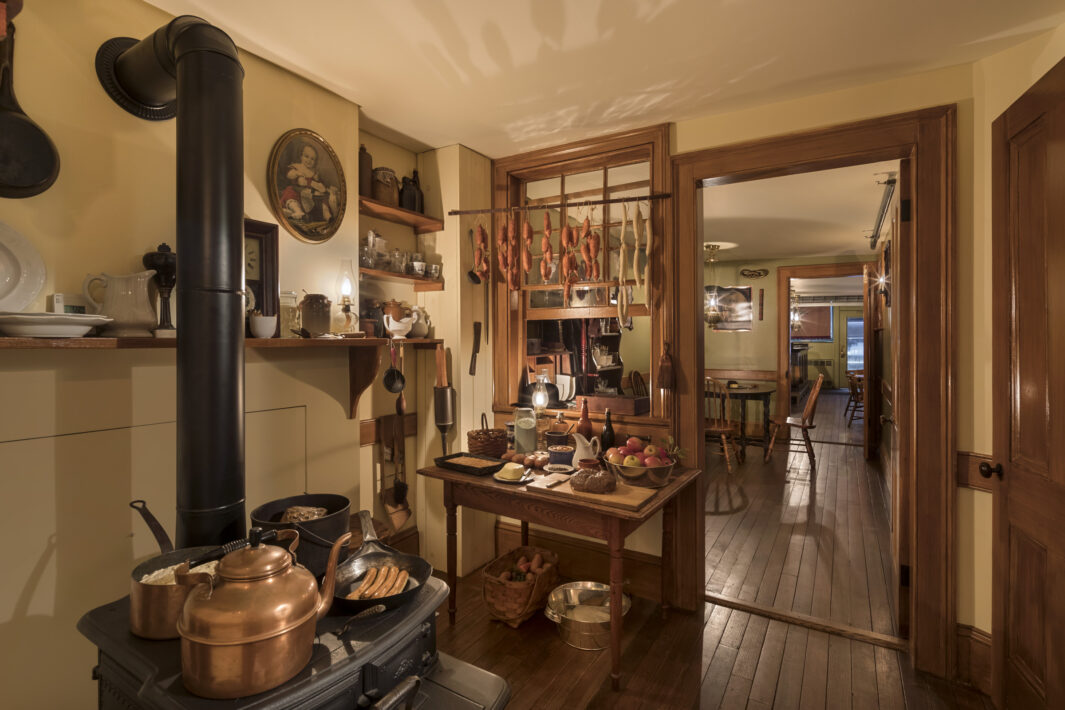
Immigrants arrived in New York in search of a better life after fleeing violence and persecution in their homelands. Their purpose wasn’t abstract. It was survival, progress, and belonging. It transformed cramped rooms into productive economic engines, and it transformed strangers into neighbors and collaborators.
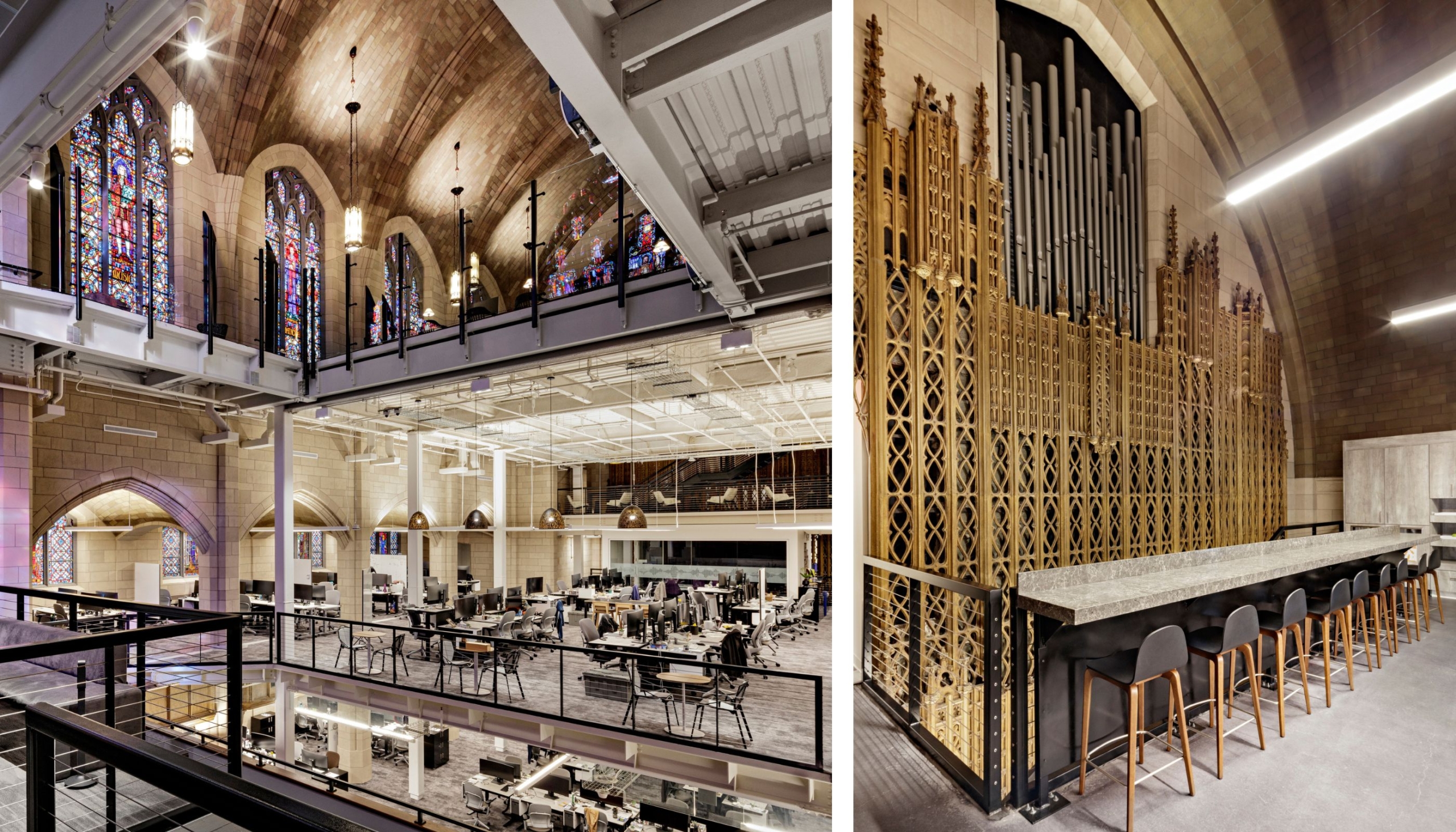
Today, as we debate hybrid work and return-to-office policies, the tenements serve as a poignant reminder that people will give their all when their purpose is clear, shared, and meaningful. Then as now, they can best succeed when they inhabit flexible space that accommodates different needs at different times.
The “Why” That Holds Everything Together
Earlier this fall, I delivered a presentation with Tamar Moy, Senior Vice President and Northeast Region Lead for Workplace Strategy and Human Experience at Newmark, a global real estate advisory firm. During the annual CoreNet Global Summit of commercial real estate and workplace leaders, we reinforced a crucial distinction: mission is what we do; purpose is why we do it.
Mission can change, expand, or pivot with market shifts. Purpose is foundational. It shapes culture, attracts and retains talent, and fuels resilience. As Tamar and I have both learned through years of advising clients through strategic consulting and design, dissatisfaction with the workplace often correlates with a perception that culture is misaligned with purpose.
Employees—especially millennials and Gen Z—are voting with their feet. According to the workplace analytics firm Reworc, survey data from more than 100,000 respondents showed nearly half had left a job because it lacked clear goals. The data highlighted a desire for empathetic leadership, clarity of vision, and a workplace supportive of community and growth. Respondents want to see their leaders walk the walk. When leadership strategies align with the their firms’ objective, the Reworc data shows that engagement jumps 17-fold.