Providing Climate Resiliency and Emergency Shelter
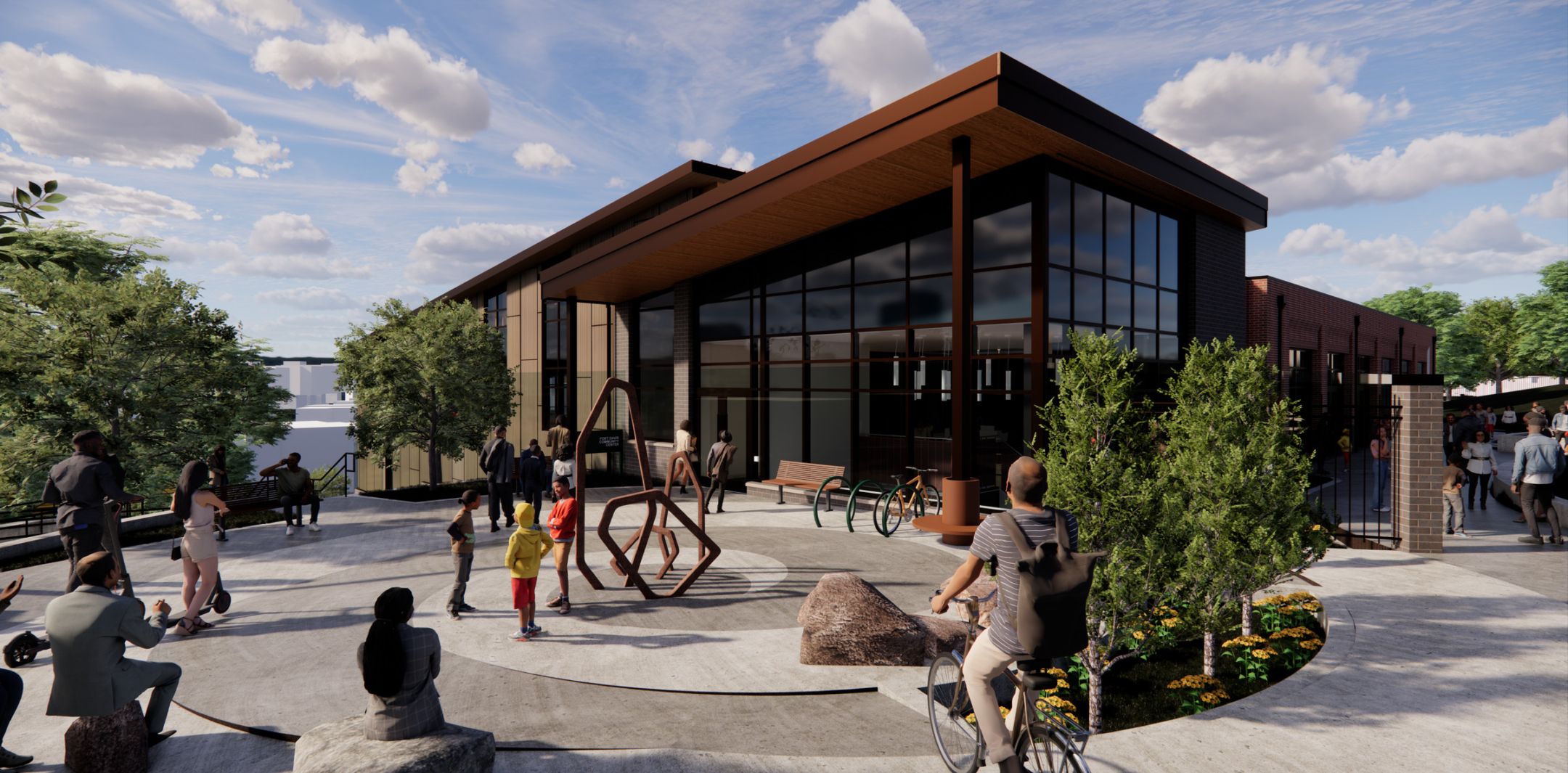
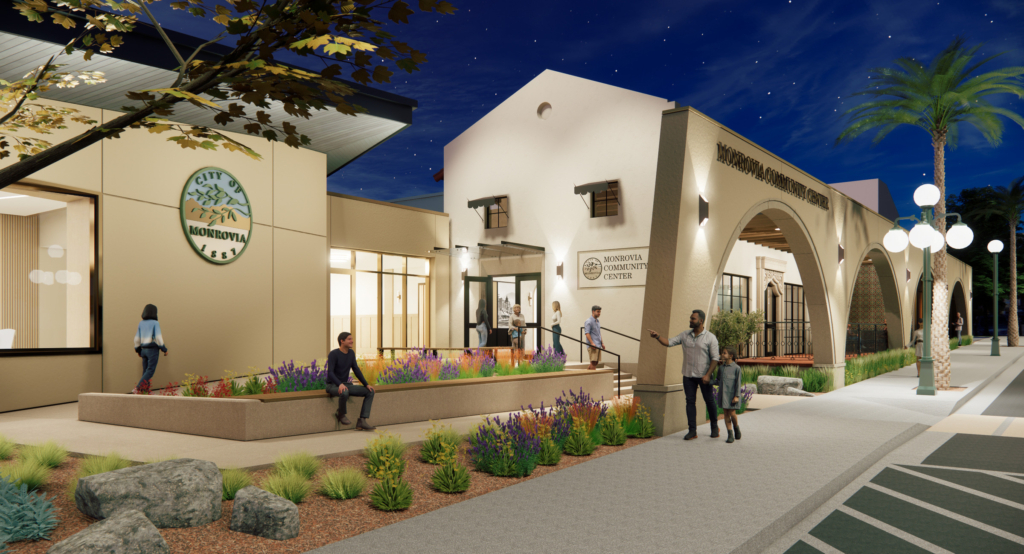
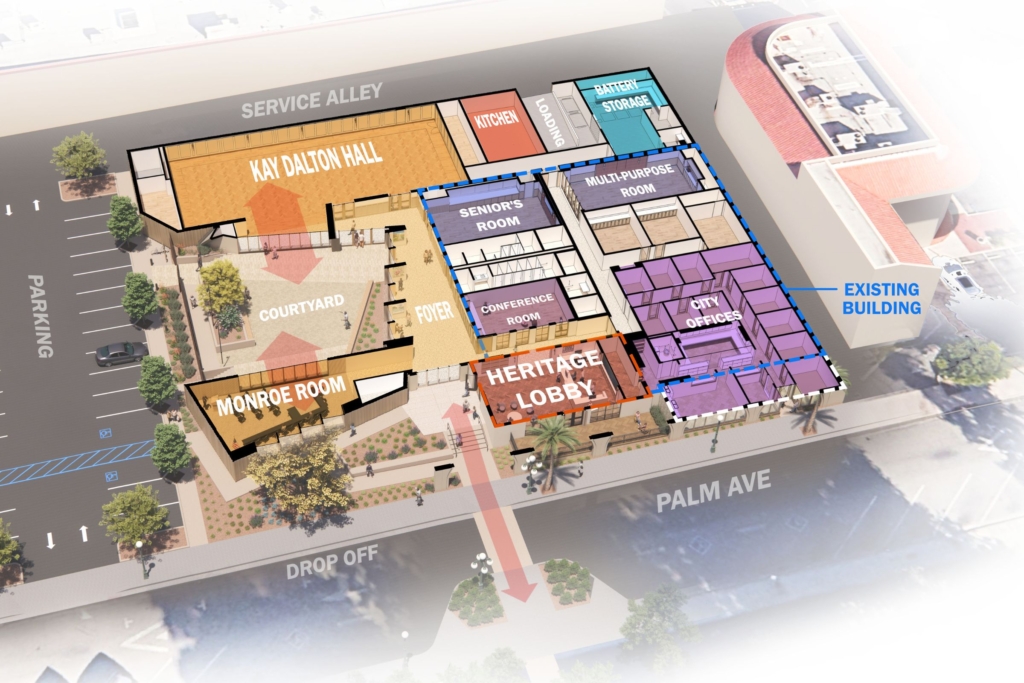
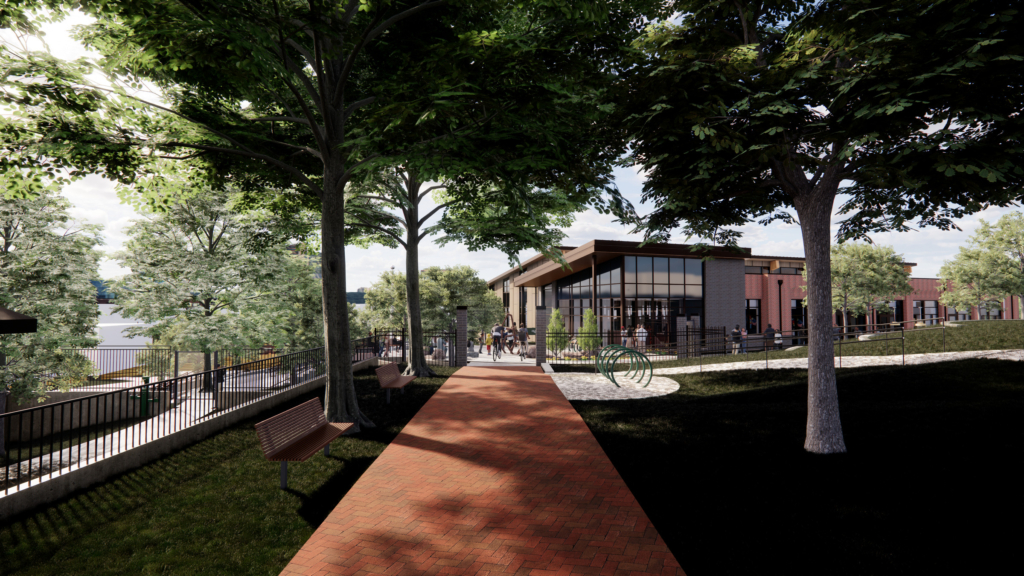
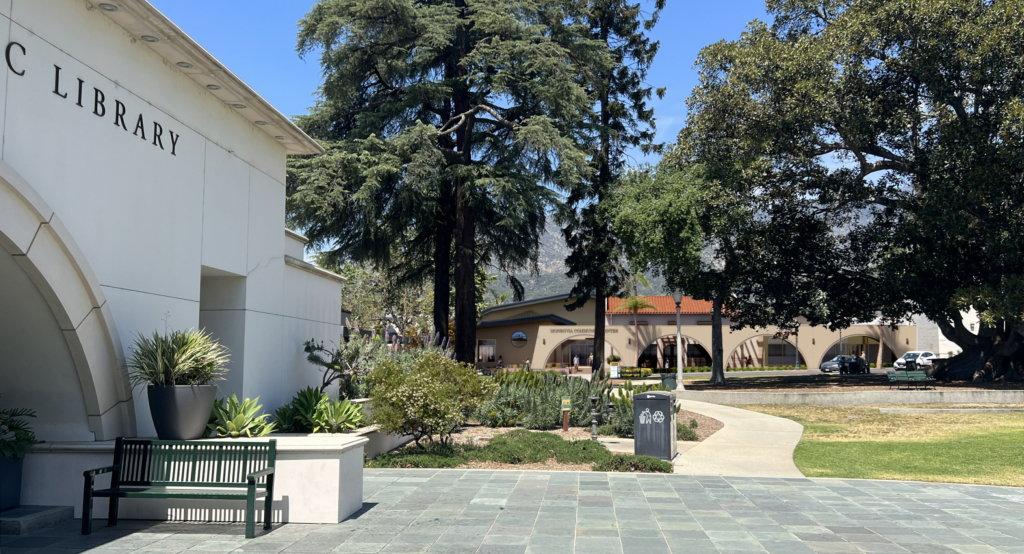
Funded with taxpayer dollars, the community centers we design are built to last for generations, easy to maintain, and energy efficient. Cost savings from operating budgets can be applied to public programming when sustainable strategies are employed—an approach we pursue with every client across all project types. Our high-performance buildings are also designed to be resilient in the face of severe weather. The Monrovia structure, for example, will support photovoltaic arrays and a two-day battery storage system, enabling it to host residents during power outages. Fort Davis is designed to be the city’s first resilience hub-ready community center, offering protection during emergencies and extreme weather events. Its bioretention ponds will keep the area safe from excess stormwater flooding and runoff, and the building, which is pursuing LEED Gold and net zero certifications, will also provide a powered environment when outages impact the neighborhood.
As the role of community centers evolves, their resiliency will evolve, too, potentially encompassing other programs that can be located within or adjacent to these central hubs—such as affordable housing or health clinics, depending on neighborhood priorities.
Serving the Community
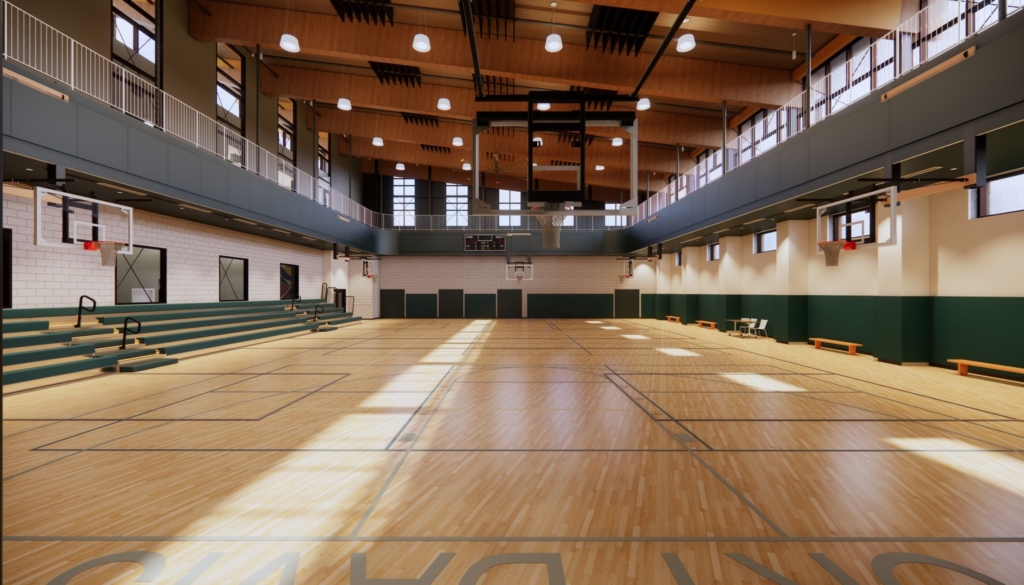
The indoor basketball court at the Fort Davis Community Center will have a mass timber structure that also
supports an elevated track.
A well-designed community center makes room for the teenager shooting free throws after school, the retiree enrolled in a cooking class, and the family hosting a wedding reception. This is what sets civic architecture apart: Few building types are required to serve so many ages, functions, and interests at once. As architects, we are challenged to identify the multigenerational needs of a community and translate it into a resilient built environment that will instill pride in its residents for generations to come.
For media inquiries, please reach out to: news@perkinseastman.com.